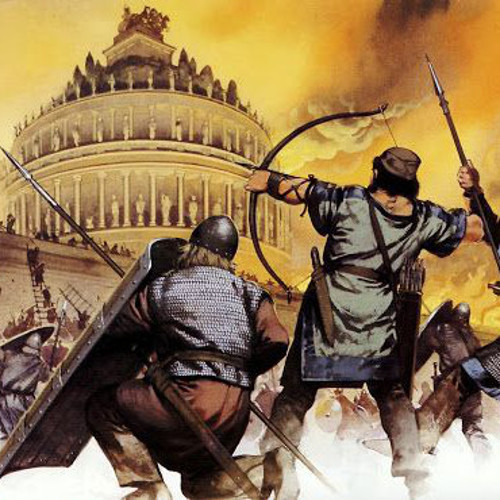
Triboci Discussion MTA Support January 01, 2020 – 1 min read Share this post Dedicated for all DNA, Analysis Results, History, Research topics related to: TribociThese people of eastern Gaul inhabited what is today Alsace. Considered Germanic by Caesar these fierce people joined the revolt of the Batavi. Share this post Written by MTA Support Comments Civilizations Belgae Discussion Dedicated for all DNA, Analysis Results, History, Research topics related to: Belgae The ethnic name Belgae comes from the Proto-Celtic word Bolgi which means "The People who Swell with anger or battle fury". These Celtic people lived north of the Gauls and Aquitani and differed by language, customs By MTA Support • 1 min read Civilizations Scythians Discussion Dedicated for all DNA, Analysis Results, History, Research topics related to: Scythians Scythians had a reputation as the epitome of savagery and barbarism - they were among the earliest peoples to master mounted warfare. They lived in tent-covered wagons and fought with composite bows shot from horseback. With great mobility, By MTA Support • 1 min read Civilizations Ostrogoths Discussion Dedicated for all DNA, Analysis Results, History, Research topics related to: Ostrogoths Originating from Scandinavia, the Goths of Eastern Europe were shattered when Attila and the Huns blasted onto the scene. The Gothic kingdom was split - those who crossed the Danube to enter the Roman Empire became the Visigoths. By MTA Support • 1 min read Papers Ancient DNA and Cerny Culture Ancestry in Neolithic France Monuments of Earth and Timber: The Astonishing World of Cerny Burials Across the river valleys of northern France, communities of the Middle Neolithic raised some of western Europe's earliest monumental burial structures. Long before famous stone tombs appeared elsewhere, people of the Cerny world were already building vast By Caterina • 6 min read Papers Khazar Frontier Graves and Saltovo-Mayaki Diversity The Khazar Frontier and the World of the Forest-Steppe Between the seventh and tenth centuries, the Khazar Khaganate dominated the lands north of the Black Sea, connecting steppe, Caucasus and Caspian trade routes. This was no empty expanse but a vibrant contact zone of movement, negotiation and cultural exchange. The By Caterina • 5 min read Papers Bronze Age Reuse of Neolithic Tombs in Southwestern Britain Ancient tombs, new people, and an old sacred landscape Southwestern Britain in later prehistory was already crowded with monuments and memories made powerful by vanished generations. Across Dorset and Gloucestershire, great burial mounds had been raised by the first farming communities centuries before metal arrived. These long barrows were bold By Sven • 4 min read Papers Iceland’s Pangenome Reveals Hidden Disease Variants Iceland's Hidden Genomic Landscape A remarkable scientific expedition unfolded across the human genome much as an archaeological survey unfolds across a buried landscape. For years, many studies had relied on a single standard human genome as though it were one master map of a vast ancient world. But By Sven • 5 min read Papers Genetic origins and isolation of the Agotes in the Basque region The Last Agotes of Bozate: A People Set Apart In the Baztan Valley of northern Navarre lies Bozate, a small settlement where centuries of exclusion, fear, and survival played out. This is where the last descendants of the Agotes endured as a distinct community — not among grand ruins, but in By Caterina • 3 min read Papers Neolithic Tomb Kinship in Northern Scotland Stone Tombs in the Far North Along Scotland's northern edge, early farming communities built remarkable stone tombs in Caithness and Orkney. These carefully constructed monuments featured dry-stone walls, arranged chambers and piled cairns. More than containers for bodies, they were places where ancestry and belonging were physically built By Jamie L • 4 min read
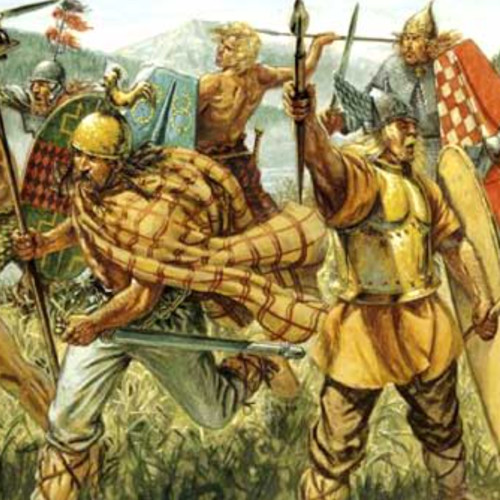
Civilizations Belgae Discussion Dedicated for all DNA, Analysis Results, History, Research topics related to: Belgae The ethnic name Belgae comes from the Proto-Celtic word Bolgi which means "The People who Swell with anger or battle fury". These Celtic people lived north of the Gauls and Aquitani and differed by language, customs By MTA Support • 1 min read
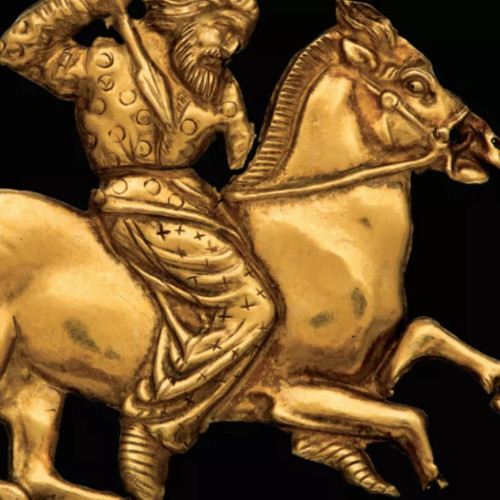
Civilizations Scythians Discussion Dedicated for all DNA, Analysis Results, History, Research topics related to: Scythians Scythians had a reputation as the epitome of savagery and barbarism - they were among the earliest peoples to master mounted warfare. They lived in tent-covered wagons and fought with composite bows shot from horseback. With great mobility, By MTA Support • 1 min read
Civilizations Ostrogoths Discussion Dedicated for all DNA, Analysis Results, History, Research topics related to: Ostrogoths Originating from Scandinavia, the Goths of Eastern Europe were shattered when Attila and the Huns blasted onto the scene. The Gothic kingdom was split - those who crossed the Danube to enter the Roman Empire became the Visigoths. By MTA Support • 1 min read
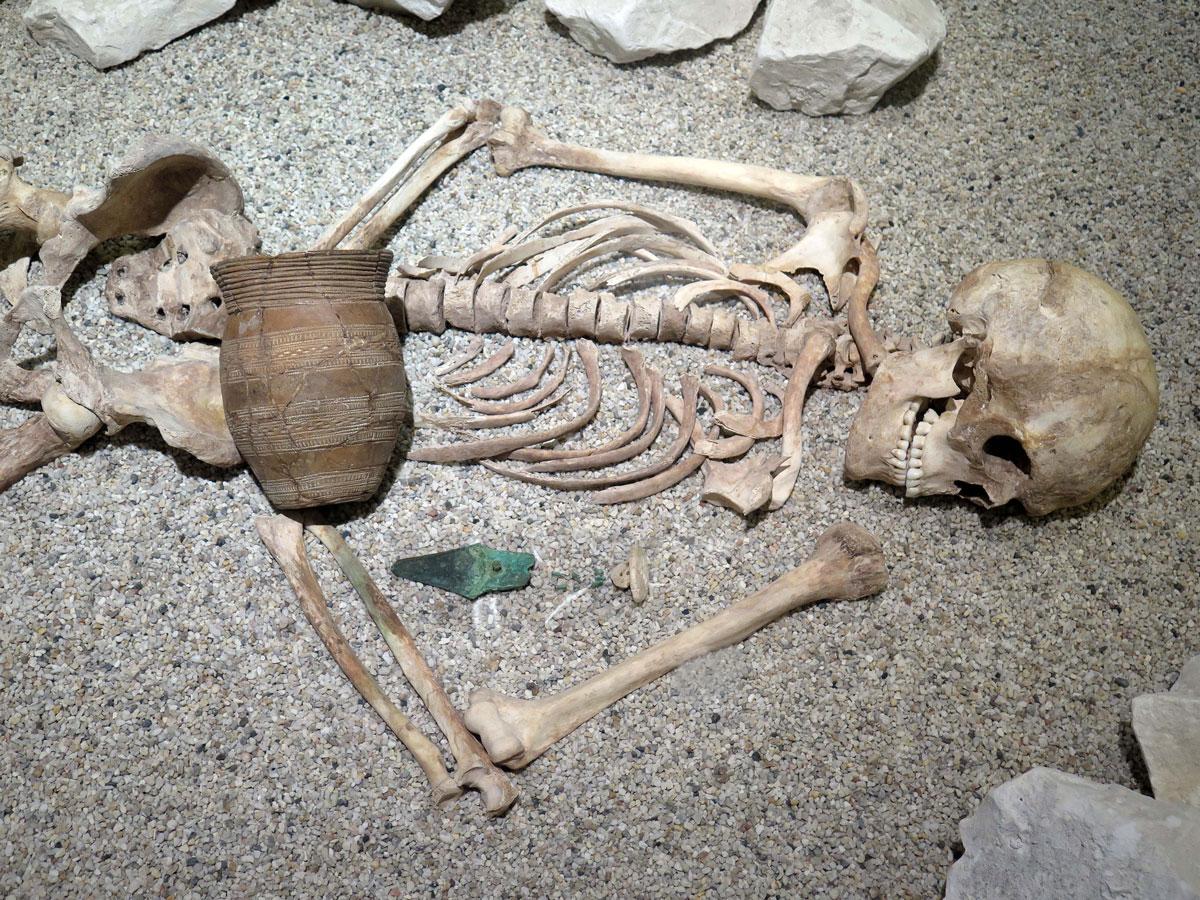
Papers Ancient DNA and Cerny Culture Ancestry in Neolithic France Monuments of Earth and Timber: The Astonishing World of Cerny Burials Across the river valleys of northern France, communities of the Middle Neolithic raised some of western Europe's earliest monumental burial structures. Long before famous stone tombs appeared elsewhere, people of the Cerny world were already building vast By Caterina • 6 min read
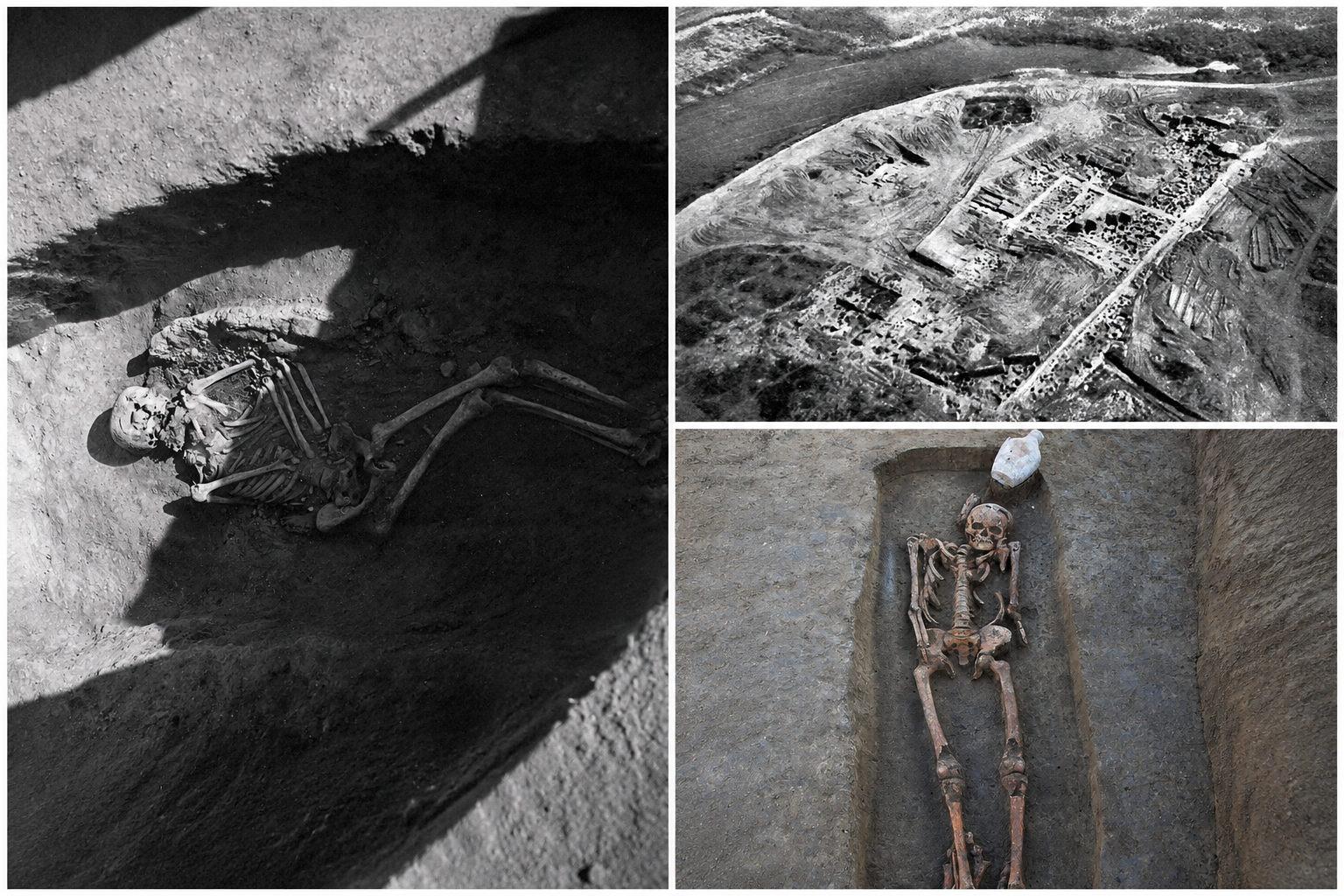
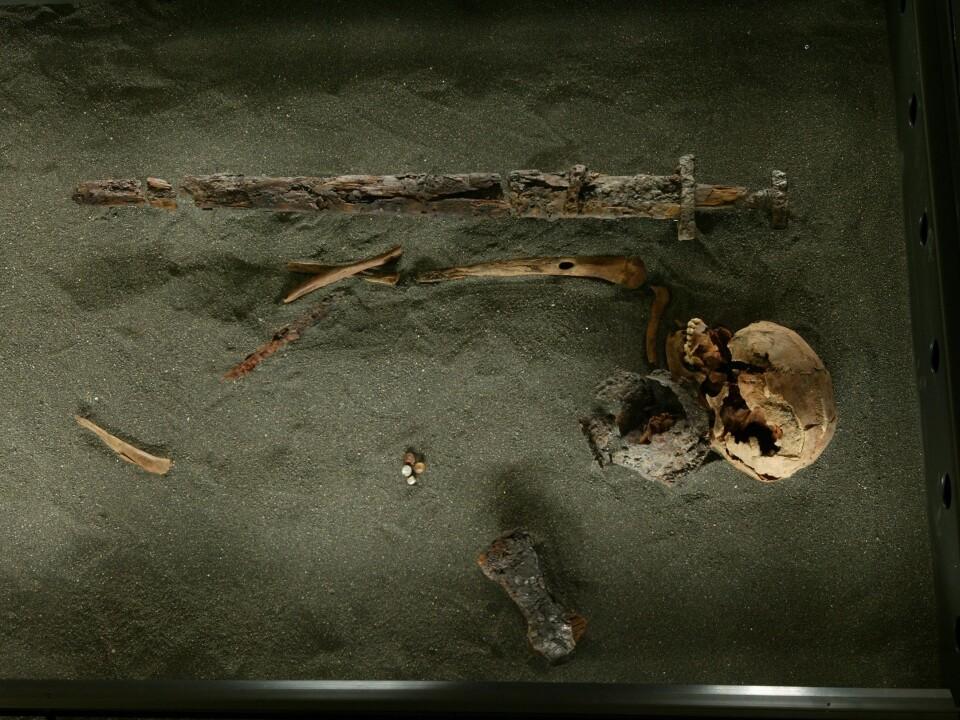
Papers Khazar Frontier Graves and Saltovo-Mayaki Diversity The Khazar Frontier and the World of the Forest-Steppe Between the seventh and tenth centuries, the Khazar Khaganate dominated the lands north of the Black Sea, connecting steppe, Caucasus and Caspian trade routes. This was no empty expanse but a vibrant contact zone of movement, negotiation and cultural exchange. The By Caterina • 5 min read
Papers Bronze Age Reuse of Neolithic Tombs in Southwestern Britain Ancient tombs, new people, and an old sacred landscape Southwestern Britain in later prehistory was already crowded with monuments and memories made powerful by vanished generations. Across Dorset and Gloucestershire, great burial mounds had been raised by the first farming communities centuries before metal arrived. These long barrows were bold By Sven • 4 min read
Papers Iceland’s Pangenome Reveals Hidden Disease Variants Iceland's Hidden Genomic Landscape A remarkable scientific expedition unfolded across the human genome much as an archaeological survey unfolds across a buried landscape. For years, many studies had relied on a single standard human genome as though it were one master map of a vast ancient world. But By Sven • 5 min read
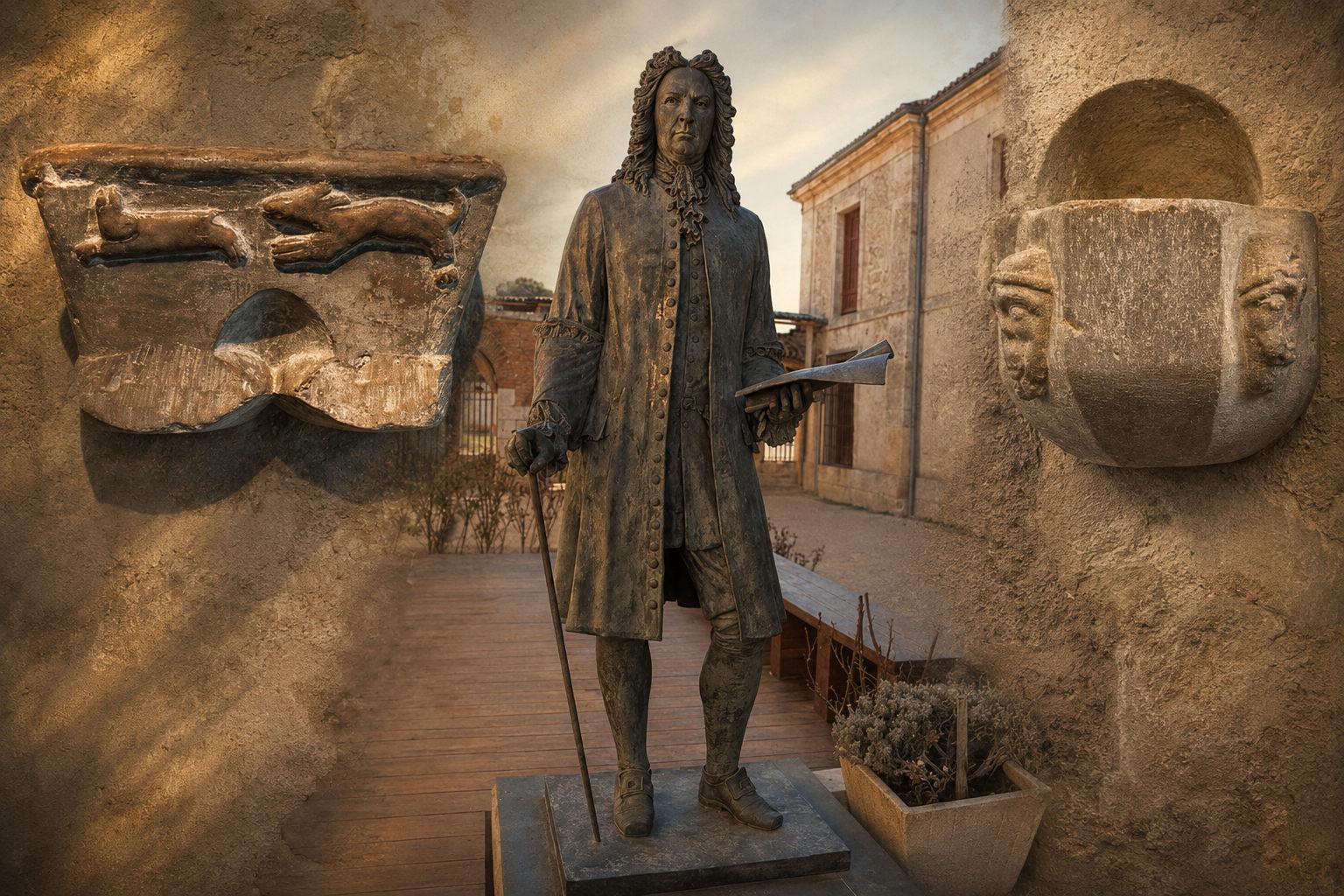
Papers Genetic origins and isolation of the Agotes in the Basque region The Last Agotes of Bozate: A People Set Apart In the Baztan Valley of northern Navarre lies Bozate, a small settlement where centuries of exclusion, fear, and survival played out. This is where the last descendants of the Agotes endured as a distinct community — not among grand ruins, but in By Caterina • 3 min read
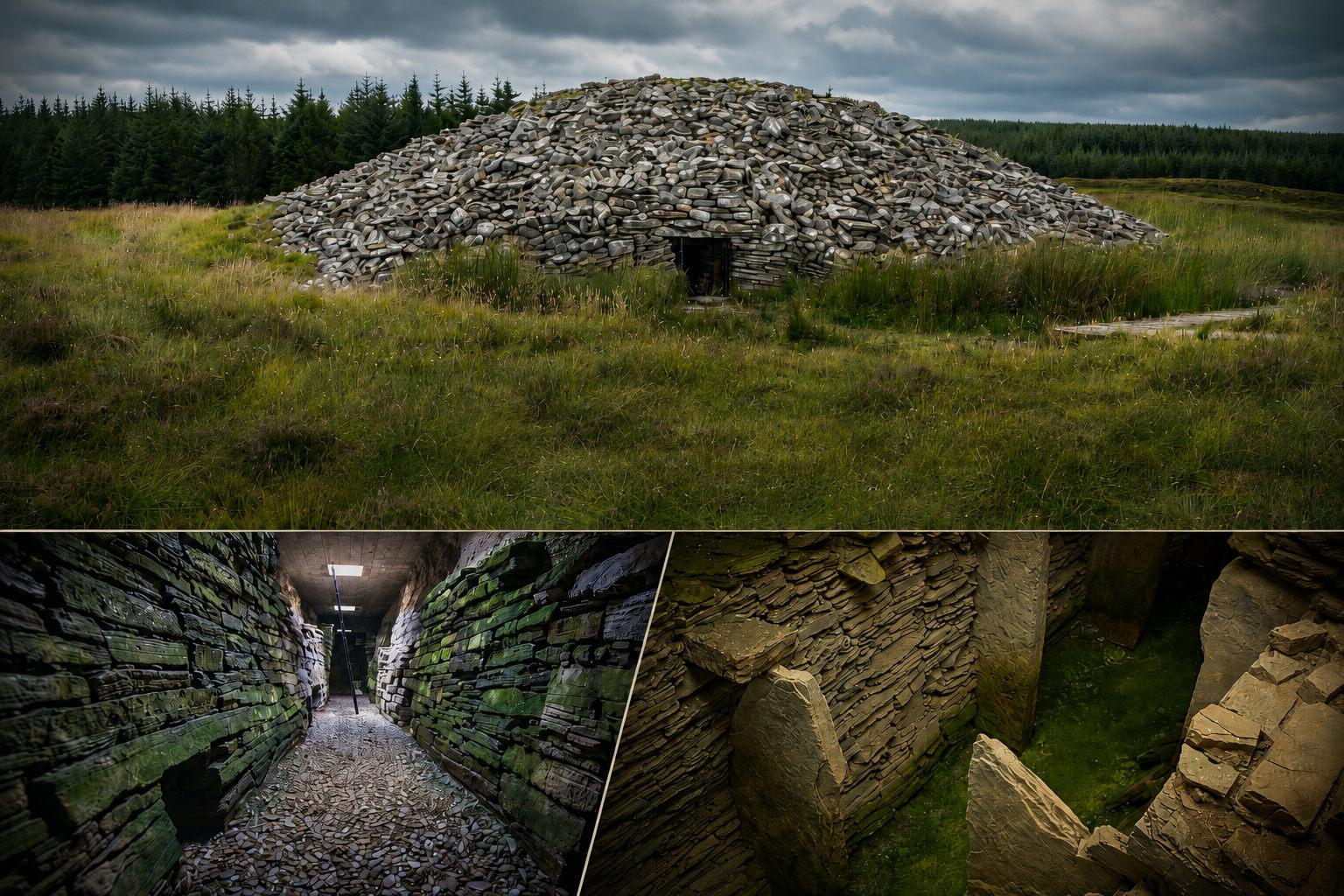
Papers Neolithic Tomb Kinship in Northern Scotland Stone Tombs in the Far North Along Scotland's northern edge, early farming communities built remarkable stone tombs in Caithness and Orkney. These carefully constructed monuments featured dry-stone walls, arranged chambers and piled cairns. More than containers for bodies, they were places where ancestry and belonging were physically built By Jamie L • 4 min read

Comments