Ancient Genomic History of the Oral Pathogen Streptococcus mutans Over 8,000 Years

– 5 min read


Ancient Streptococcus mutans across 8,000 years of Eurasian history
This comprehensive study follows a single bacterial companion of humanity – Streptococcus mutans, a key player in tooth decay – through some 8,000 years of Eurasian history. By extracting DNA from ancient teeth and dental calculus, researchers reveal that this microbe has been living in human mouths since long before fields, ploughs, or bread existed. The bacterium was already present among pre-agricultural hunter-gatherers, challenging our understanding of dental disease and its origins.
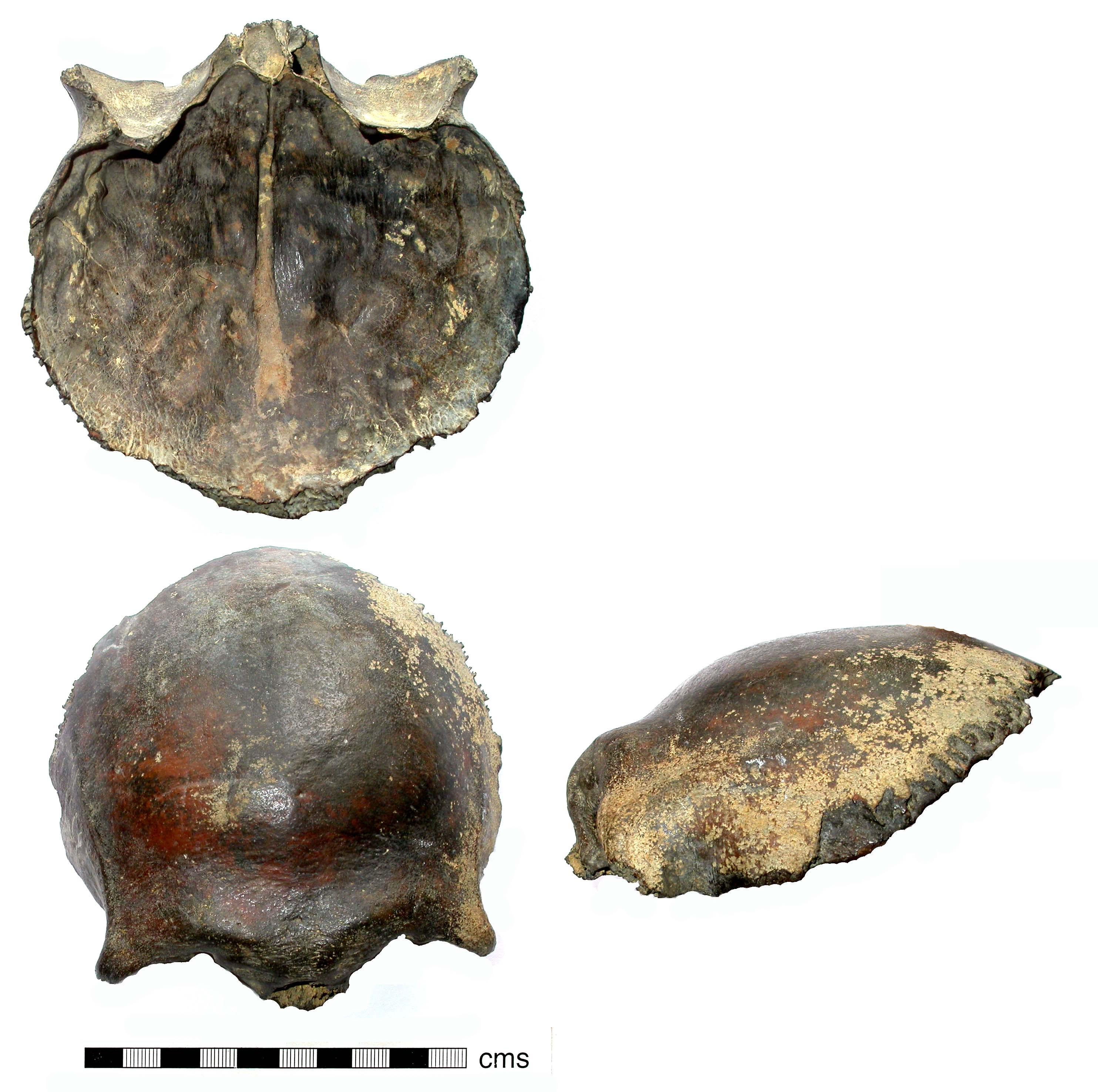
One of the oldest individuals in the study comes from El Mazo, a rock shelter in northern Spain, occupied by Mesolithic hunter-gatherers living from wild foods around 8,000 years ago. Among shells, animal bones, and stone tools, archaeologists found human remains whose teeth still carried microscopic traces of life – including S. mutans. The individual labeled NEO938 dates to about 7,966–7,789 years before present. This person lived on gathered and hunted resources, long before wheat fields and settled farming reached the Atlantic coast. Yet inside their tooth, the team recovered clear genetic evidence of the bacterium.
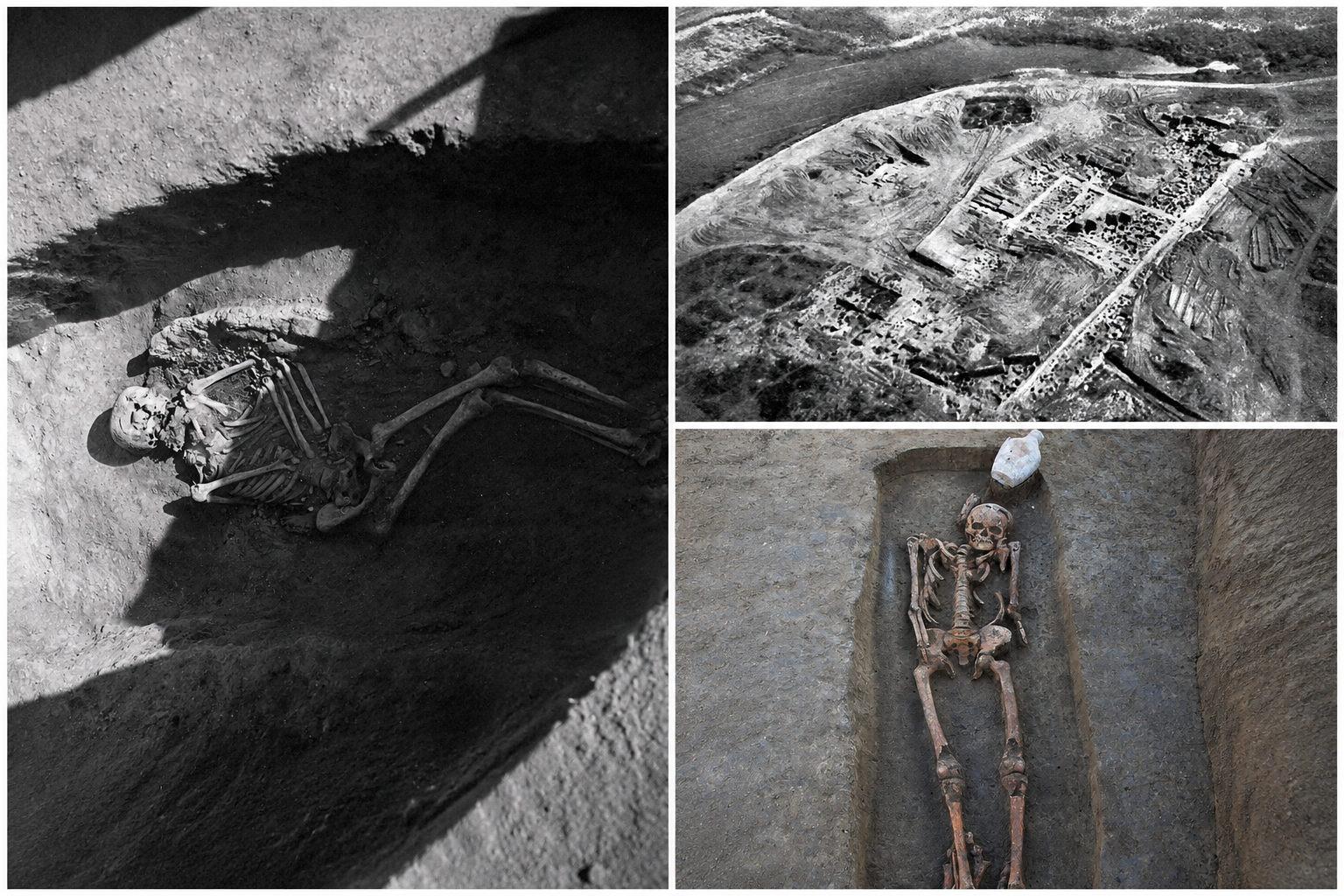
On the other side of Eurasia, another hunter-gatherer offers an equally vivid glimpse of ancient oral life. Around the shores of Lake Baikal in Siberia lies the Shamanka cemetery, famous for its richly furnished burials of foragers who fished and hunted along the lake about 8,000 years ago. From one grave, researchers sampled individual DA246, dating to around 7,827–7,626 years before present. This community buried its dead with care – often with stone tools, ornaments, and sometimes animal offerings. In DA246's teeth, researchers again found S. mutans. The person buried at Shamanka, miles from any farmed field and living from the lake's resources, nonetheless hosted the same species of cariogenic bacteria as the Mesolithic Spaniard at El Mazo.
The study extends beyond foragers to include 25 ancient genomes from early farmers. Among these, researchers reconstructed high-quality genomes from a 7,500-year-old Neolithic individual in Europe (NEO137). This person lived in an early farming community where cereal agriculture, domesticated animals, and more settled life had taken root. The farming village that buried this person – with its pits, houses, and grave goods such as pottery, stone axes, and ornaments – also preserved a detailed record of its invisible inhabitants, down to single bacterial genes.
Comparing this Neolithic farmer's S. mutans with modern strains reveals that ancient bacteria already carried many of the same functional genes as those living in mouths today. Some genes found in the oldest samples have been lost in many modern strains, hinting at subtle shifts in the bacteria's toolkit over millennia. This challenges the notion that harmful oral bacteria are purely modern phenomena.
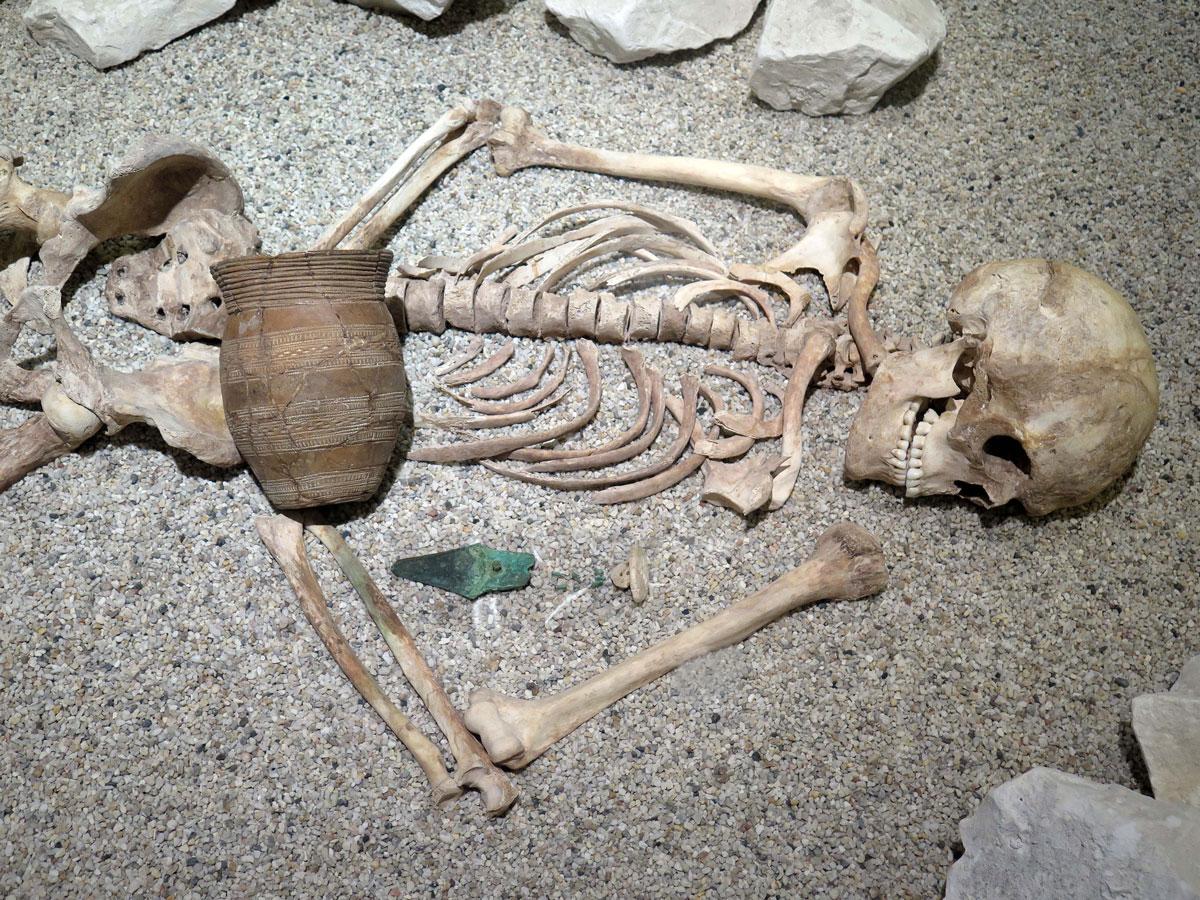
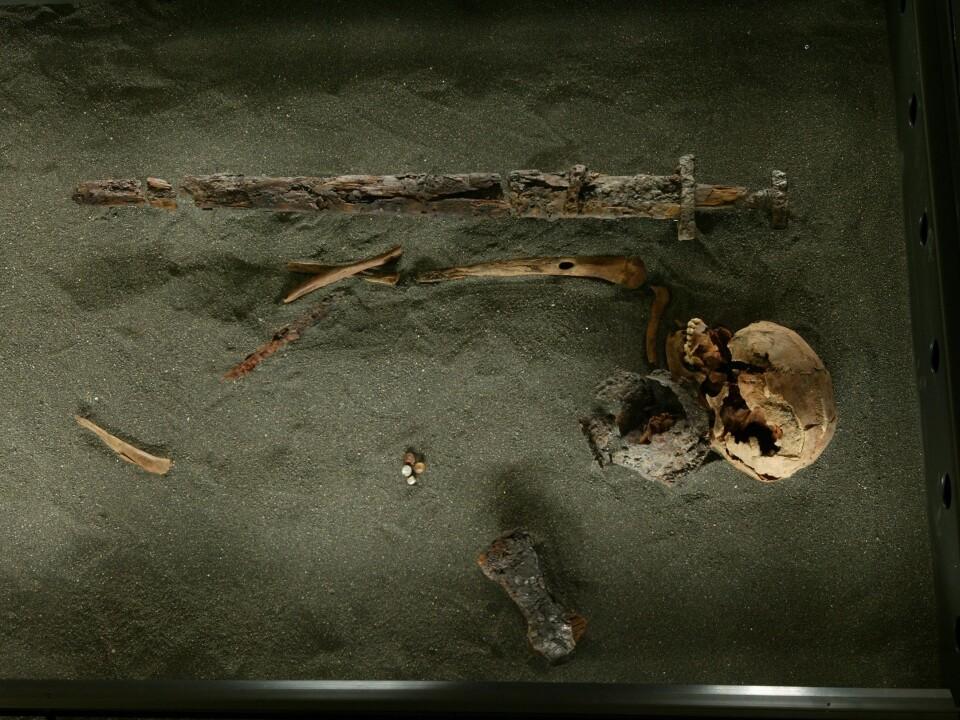
Moving forward through time, the study includes individuals from later prehistoric and historic periods, including the Bronze Age and the Viking Age. These people are known through their grave goods: weapons, beads, brooches, imported glassware, and sometimes ship burials. Yet across warriors, traders, and farmers, S. mutans appears as a quiet constant, preserved in tooth roots and dental plaque. One Viking-Age individual, CGG101233, provided such rich bacterial DNA that researchers reconstructed an exceptionally detailed genome.
One of the most striking finds comes from Afghanistan. In a tooth about a thousand years old, excavated from a site linked to medieval city networks of Central Asia, the team found S. mutans in astonishing quantities. The archaeological context represents bustling trade cities along routes later incorporated into the Silk Road world. This Afghan individual's tooth yielded an ultra-deep sequence of S. mutans, with coverage so high that it rivals modern laboratory cultures, suggesting very high bacterial loads in some ancient mouths.
By setting these genomes into a broad genetic tree, researchers show that nearly all ancient strains fall within the diversity of modern S. mutans. They cluster mainly in one major branch but otherwise mingle freely with present-day samples. There is no neat division between ancient and modern types. One clear difference is the near-absence in ancient samples of genes known as the mutanobactin operon. These genes help bacteria cope with oxygen, and their rarity in ancient teeth suggests this oxygen-tolerance package spread relatively recently, perhaps in response to changes in oral environments and hygiene practices.
Most core features that make S. mutans effective at living in acidic biofilms on teeth were already present thousands of years ago. The bacterium has been well-equipped for life in the mouth for a very long time. What has changed is mainly the human side of the relationship – especially diet and frequency of carbohydrate intake. The study identifies that S. mutans is a master of genetic mixing through recombination, constantly swapping DNA segments rather than evolving along simple family lines.
The 25 ancient genomes span remarkable archaeological sites and cultures across Eurasia. From Mesolithic foragers in shell-strewn caves to Neolithic farmers, steppe pastoralists, Viking warriors, and medieval townsfolk, all hosted the same bacterial species. Each archaeological site provides visible finds – beads, blades, ceramic vessels, figurines – now joined by an invisible artifact: preserved bacterial DNA that reveals everyday biological experience rather than wealth or rank.
For seven individuals, researchers reconstructed detailed metagenome-assembled genomes, including exceptional preservation from the Bamiyan valley individual. These detailed reconstructions reveal that some ancient strains possessed sophisticated competitive weapons such as bacteriocins and secretion systems, contradicting any notion that past oral microbes were primitively harmless compared to modern variants.
This research fundamentally reframes our understanding of dental caries history. Rather than being a modern disease caused by new bacterial strains or agricultural diets, tooth decay represents a disruption of an ancient relationship. S. mutans appears not as a newcomer of the sugary modern age, but as a long-term companion of the human mouth. The bacterium possessed acid-producing, biofilm-forming, and enamel-damaging capabilities long before agriculture or industrial food processing.
Archaeological evidence indicates that serious tooth decay was relatively rare before modern diets high in refined carbohydrates. The study suggests viewing S. mutans not as an invading villain but as a long-standing member of the human oral community whose damaging potential has been unlocked by recent changes in diet and eating patterns. The frequency and severity of dental caries increased not because new bacterial strains evolved, but because human dietary and cultural practices created more favorable conditions for existing bacterial capabilities.
The study transforms our understanding of ancient teeth as historical archives. Each tooth, surrounded by grave goods and archaeological context, preserves not just the story of a person and their culture, but also the intimate history of microbes that lived with them. From Mesolithic caves to Viking graveyards, from Bronze Age hillforts to medieval trading cities, the same bacterial companion persisted through dramatic cultural transformations.
This research demonstrates that the history of tooth decay is simultaneously a history of human culture, economy, and daily habits – written in the mouths of the dead. By combining archaeological excavation with cutting-edge genetic analysis, scientists can now trace not just movements of people and artifacts, but the long, intertwined evolutionary history of humans and their oral microbiomes. The study reveals that our modern dental problems have ancient roots, fundamentally changing how we understand the relationship between human cultural evolution and microbial adaptation in one of our body's most intimate ecological niches. Original source: https://doi.org/10.1186/s13059-026-04018-w
Comments