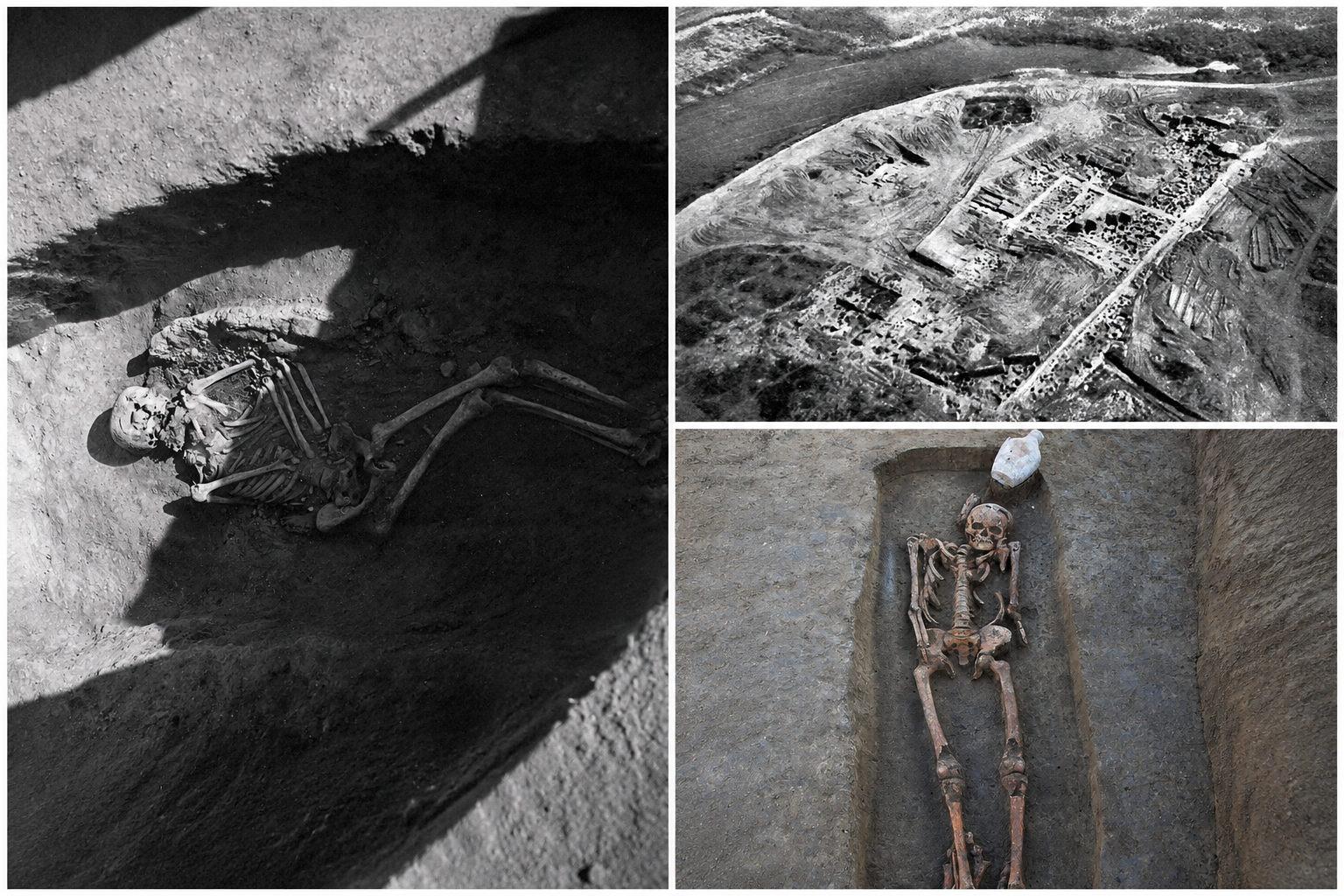
Papers Ancient DNA and Cerny Culture Ancestry in Neolithic France Monuments of Earth and Timber: The Astonishing World of Cerny Burials Across the river valleys of northern France, communities of the Middle Neolithic raised some of western Europe's earliest monumental burial structures. Long before famous stone tombs appeared elsewhere, people of the Cerny world were already building vast By Caterina • 6 min read
Papers Khazar Frontier Graves and Saltovo-Mayaki Diversity The Khazar Frontier and the World of the Forest-Steppe Between the seventh and tenth centuries, the Khazar Khaganate dominated the lands north of the Black Sea, connecting steppe, Caucasus and Caspian trade routes. This was no empty expanse but a vibrant contact zone of movement, negotiation and cultural exchange. The By Caterina • 5 min read
Papers Genetic origins and isolation of the Agotes in the Basque region The Last Agotes of Bozate: A People Set Apart In the Baztan Valley of northern Navarre lies Bozate, a small settlement where centuries of exclusion, fear, and survival played out. This is where the last descendants of the Agotes endured as a distinct community — not among grand ruins, but in By Caterina • 3 min read
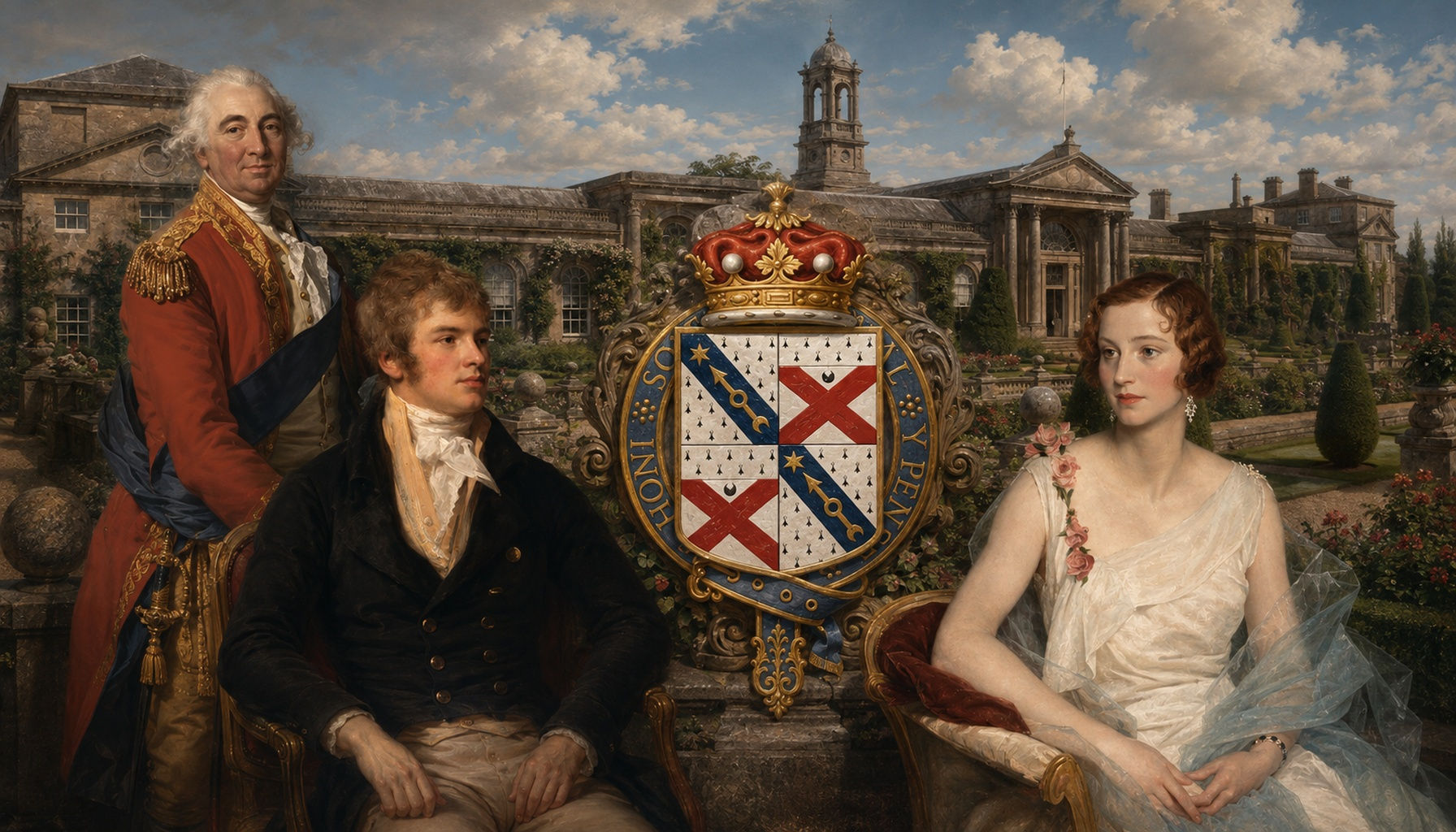
Haplogroups and Noble Lines The Noble House of Norreys Haplogroup R1b1a1b1a1a2c1a4b2c1a The House of Norreys The House of Norreys was an English noble house rooted above all in Oxfordshire, and especially associated with Rycote, landed authority, court service, and the careful business of staying important across generations. Its story fits a very recognisable English pattern: estates gave status, service By Caterina • 3 min read
Haplogroups and Noble Lines The Noble House of Harrington Who the House of Harrington was The House of Harrington, often also spelled Harington, was an English noble house rooted in the world of medieval lordship, landed authority, military obligation, and service to the crown. In historical terms, it fits the classic pattern of an English baronial family: a lineage By Caterina • 3 min read
Haplogroups and Noble Lines The Noble House of Paget Who the Pagets were The House of Paget was an English noble house that rose through the machinery of Tudor and later British public life: royal administration, estate management, parliamentary service, military distinction, and the careful cultivation of status through marriage, office, and heraldry. In that sense the Pagets are By Caterina • 3 min read
Haplogroups and Noble Lines The Noble House of Petty-Fitzmaurice House of Petty-Fitzmaurice Background The House of Petty-Fitzmaurice was one of those great British and Irish noble families whose story is really about power made durable through land, marriage, office, and political skill. Linked here with the haplogroup I1a3a1c, the family emerged from the union of two important lines: the By Caterina • 3 min read
Papers Late Iron Age Mobility and Burial Practices in Celtic Switzerland Mobility Across the Alpine World Late Iron Age Switzerland was a world in motion. People moved across valleys, plateaus, and mountain corridors — sometimes locally, sometimes across remarkable distances. Hilltop strongholds, busy settlements, and busy trade routes linked Central Europe to the Mediterranean. Rather than imagining mass migrations, the evidence reveals By Caterina • 5 min read
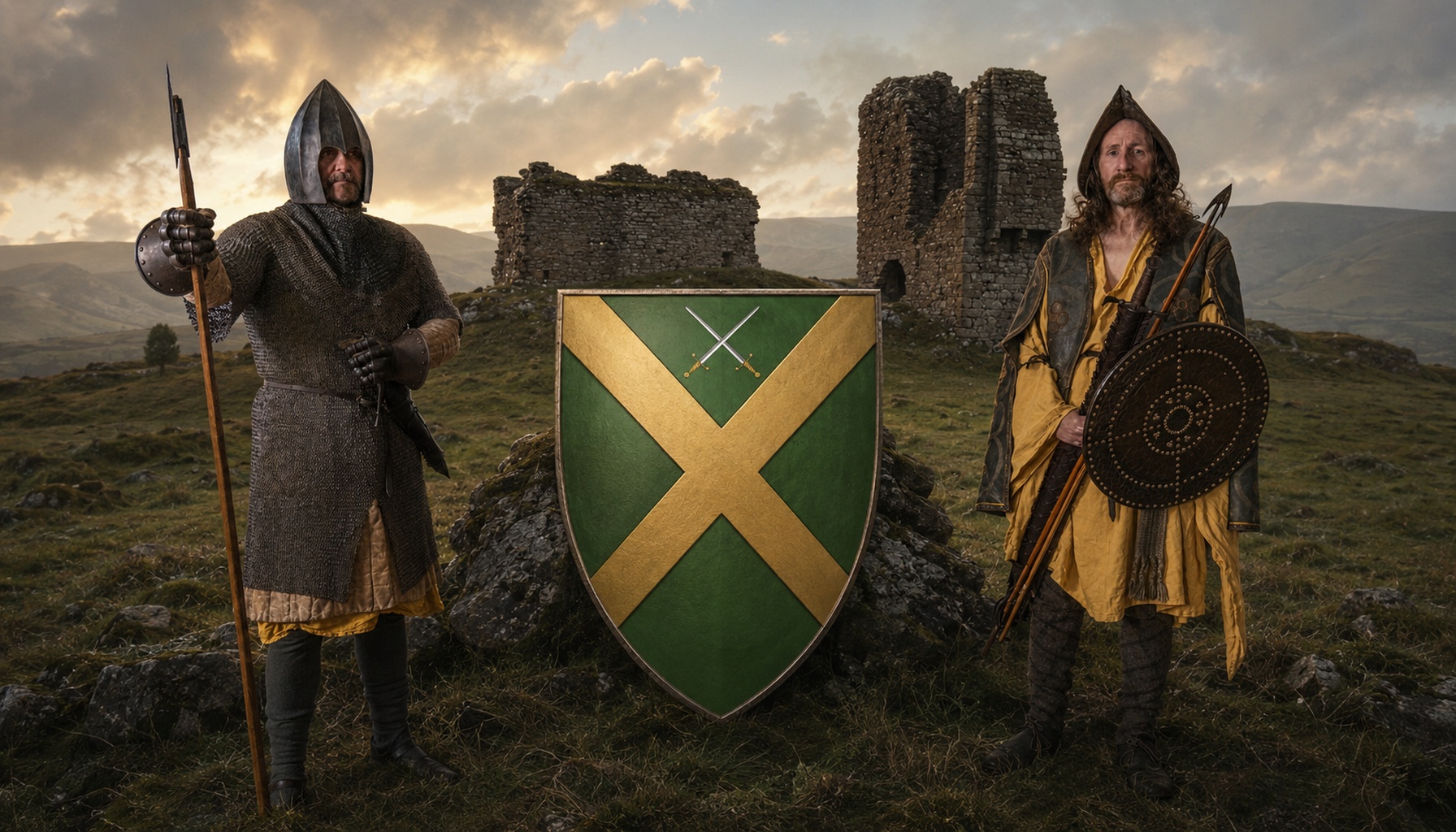
Haplogroups and Noble Lines Clan ODowd Clan ODowd Gaelic lords of Tireragh, Sligo and the Atlantic edge Clan ODowd was one of the great Gaelic lineages of northwest Ireland, rooted in Tireragh in County Sligo and closely tied to the sea-facing world of western Connacht. Their historical identity grew out of territorial rule, warrior leadership, kinship, By Caterina • 3 min read
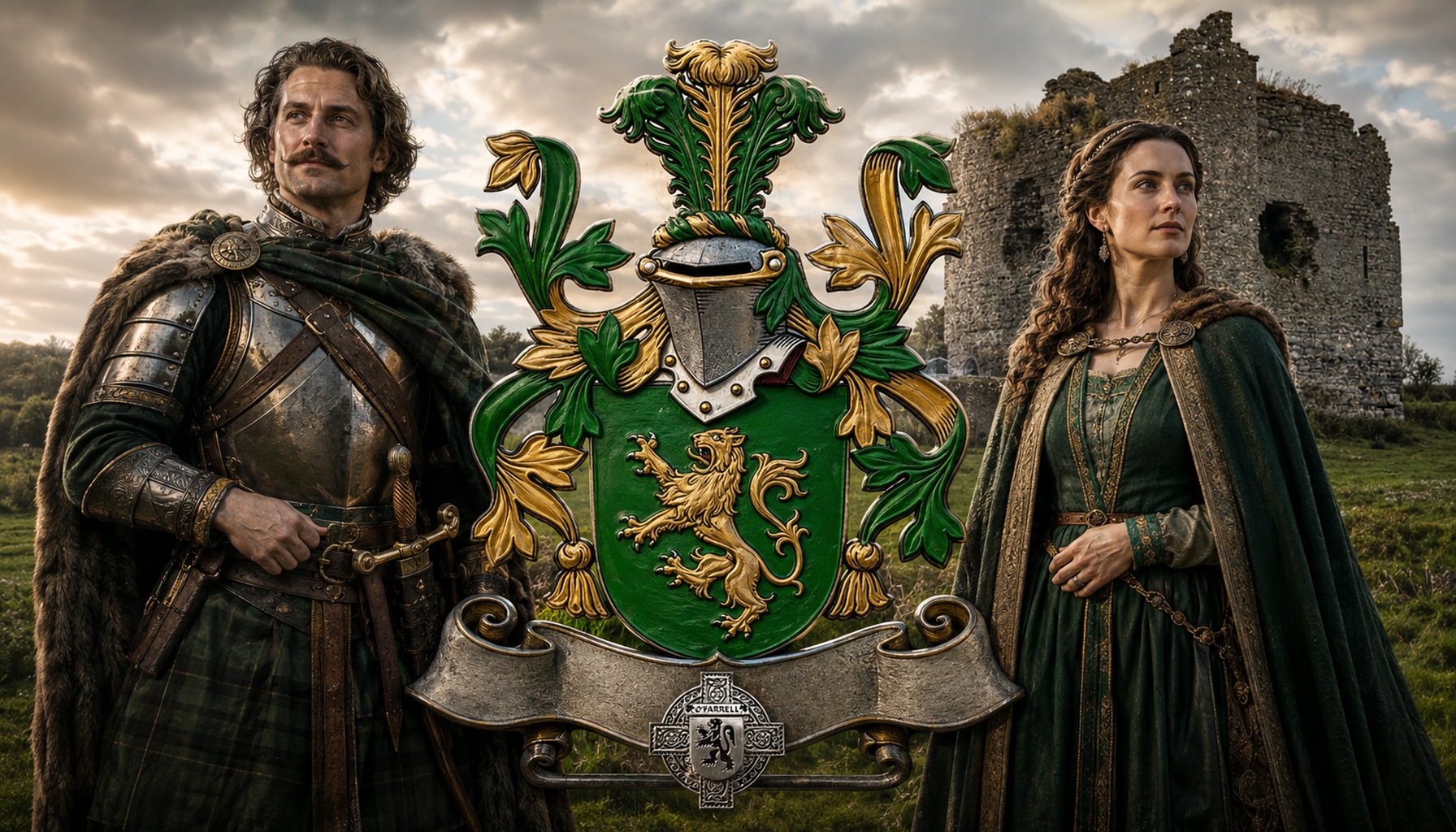
Haplogroups and Noble Lines Clan OFarrell Clan OFarrell Background Clan OFarrell was one of the notable Gaelic lineages of the Irish midlands, rooted above all in Annaly and what is now County Longford. In the older Gaelic order, this was not simply a surname floating loose in the records, but a territorial family whose authority rested By Caterina • 3 min read
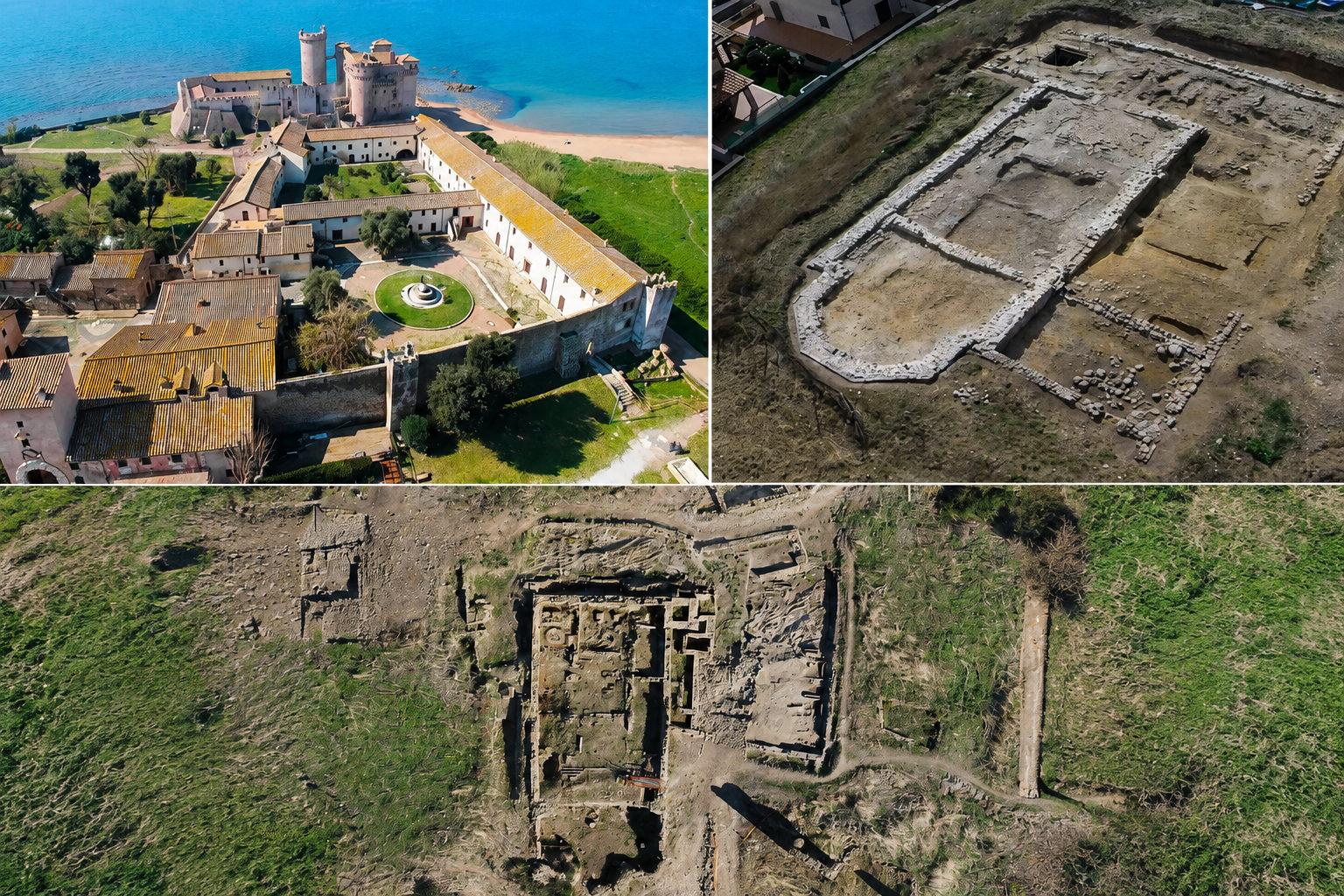
Papers Medieval Paleogenomics in Northern Latium Medieval Northern Latium: Coast, Hills, and New Towns North of Rome, medieval Latium offered three strikingly different communities: Santa Severa on the Tyrrhenian coast, Allumiere-La Bianca in the mineral-rich Tolfa Mountains, and Leopoli-Cencelle, a planned papal town. Together they reveal a medieval society that was busy, adaptive, and deeply connected. By Caterina • 1 min read
Papers Ancient DNA and Migrations in the Northern Black Sea Region Frontier of Empires and Riders: The Northern Black Sea as a Living Crossroads The Northern Black Sea region in the first millennium CE was where history never sat still. Sea met steppe, Greek-speaking town met horse-borne nomad, and every generation inherited a landscape layered with ruins, graves, old loyalties, and By Caterina • 6 min read
Papers Integer Partitions Reveal Super-Archaic Gene Flow in Human Ancestry Hidden ancestors in the human story Long before farming or cities, there were meetings between different kinds of people—preserved not in words, but in human ancestry. Modern humans did not emerge from a neat, isolated line. Their story includes contact with a deeply ancient population so old that no By Caterina • 5 min read
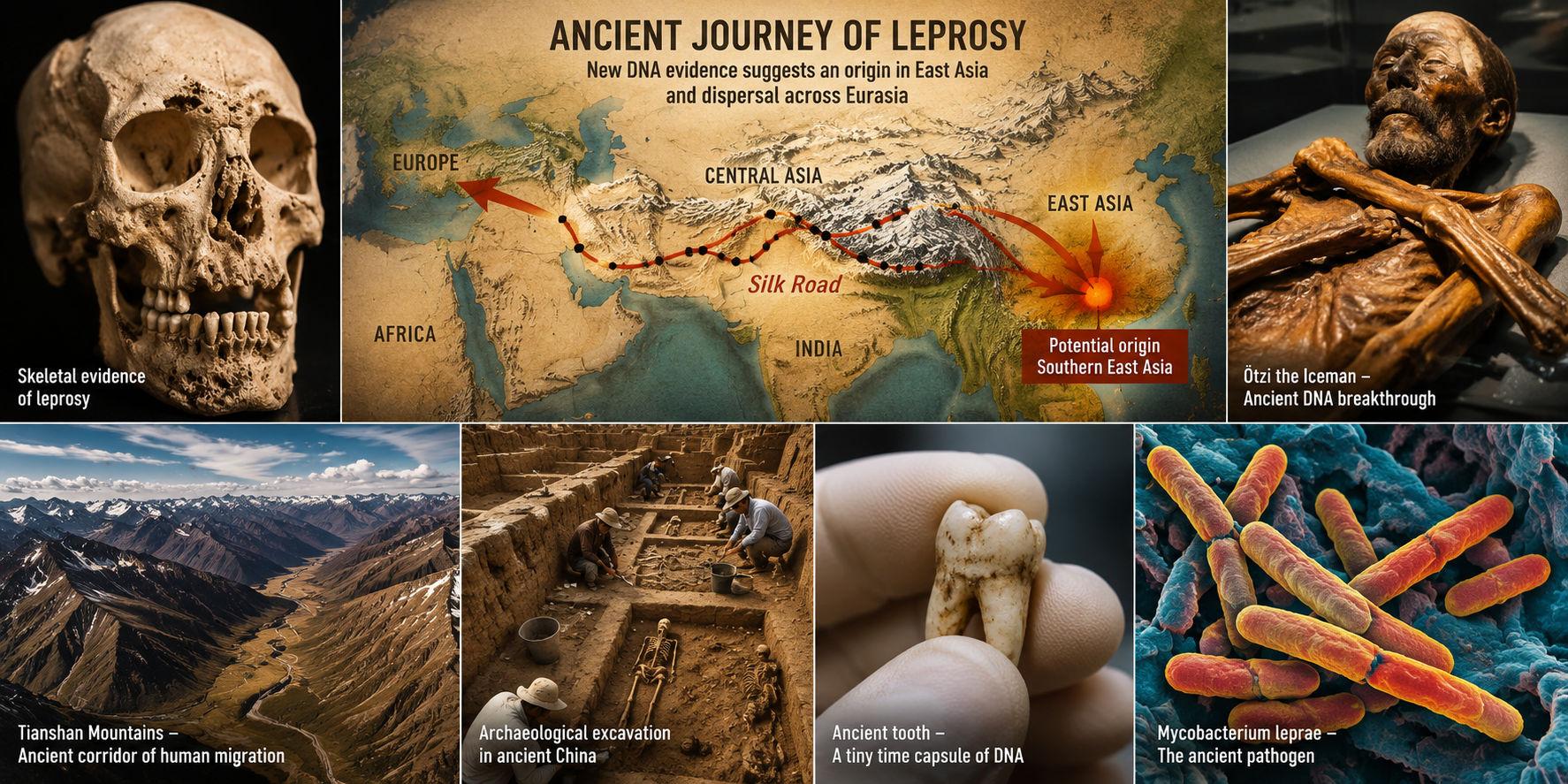
Papers Ancient Leprosy Genomes and the Origins of Branch 0 Ancient Leprosy Emerges from the East For a long time, the story of ancient leprosy seemed written mainly in Europe. Medieval cemeteries and hospital burial grounds gave scholars a dramatic archive of suffering and exclusion. But that picture was incomplete. Vast eastern lands had yielded almost no ancient genetic evidence By Caterina • 4 min read
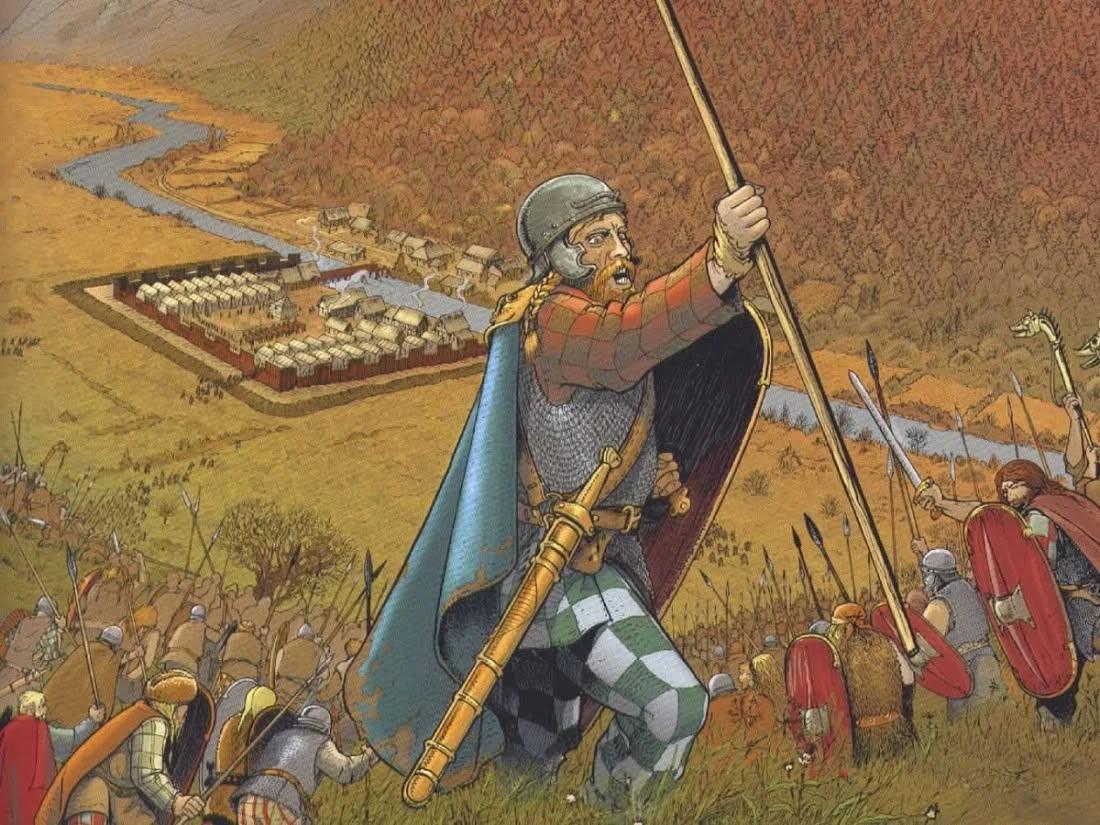
Haplogroups and Noble Lines Welsh Royalty Welsh Royalty The House of Rheged belongs to that misty but very real world of early Brittonic kingship, when northern Britain after Rome was not empty, not chaotic in any simple sense, but full of native kingdoms defending old lands, family honor, and political survival. Rheged is remembered as one By Caterina • 3 min read
Haplogroups and Noble Lines The Royal House of Nassau Background The Royal House of Nassau was one of Europe's great ruling dynasties: a family that began as medieval lords in the German lands around Nassau and went on to shape the histories of the Netherlands, Luxembourg, and the wider Low Countries. Its story is the classic western By Caterina • 3 min read
Haplogroups and Noble Lines The Paston Family The Paston Family Who the Pastons were The Paston family were one of the most famous gentry houses of late medieval England, rooted in Norfolk and remembered above all because they left behind something most families did not: their voices. Linked here with the primary family haplogroup I2a1b2a2a2b, the Pastons By Caterina • 3 min read
Haplogroups and Noble Lines The Noble House of Bardolf The Noble House of Bardolf Background The Bardolf family were a medieval English baronial house, rooted above all in eastern England and especially in Norfolk, and their story belongs squarely to the hard-edged world of Plantagenet aristocracy. Their linked primary haplogroup here is R1b1a1b1a1a2a1a1, a branch associated in ancient DNA By Caterina • 3 min read
Haplogroups and Noble Lines The House of Villeneuve House of Villeneuve Background The House of Villeneuve was a French noble family of place, service, and memory, rooted in the world of provincial lordship and linked here with the haplogroup tag J2a1a1b1a1a, the primary family haplogroup. The name Villeneuve itself means "new town" or "new estate, By Caterina • 3 min read
Haplogroups and Noble Lines The House of de Lacy Who were the de Lacy family? The House of de Lacy was a formidable Norman and later Anglo-Norman noble family whose story runs through medieval England, the Welsh Marches, and Ireland. Their name came from Lassy, in Normandy, and from that northern French base they were drawn into the great By Caterina • 3 min read
Haplogroups and Noble Lines The Piast Dynasty The Piast Dynasty Origins and background The Piast Dynasty was the first historic ruling house of Poland, the family that stands at the threshold where tribal power became monarchy, and where early medieval lordship hardened into something recognisably Polish statehood. Their story begins in the lands of Greater Poland, especially By Caterina • 3 min read
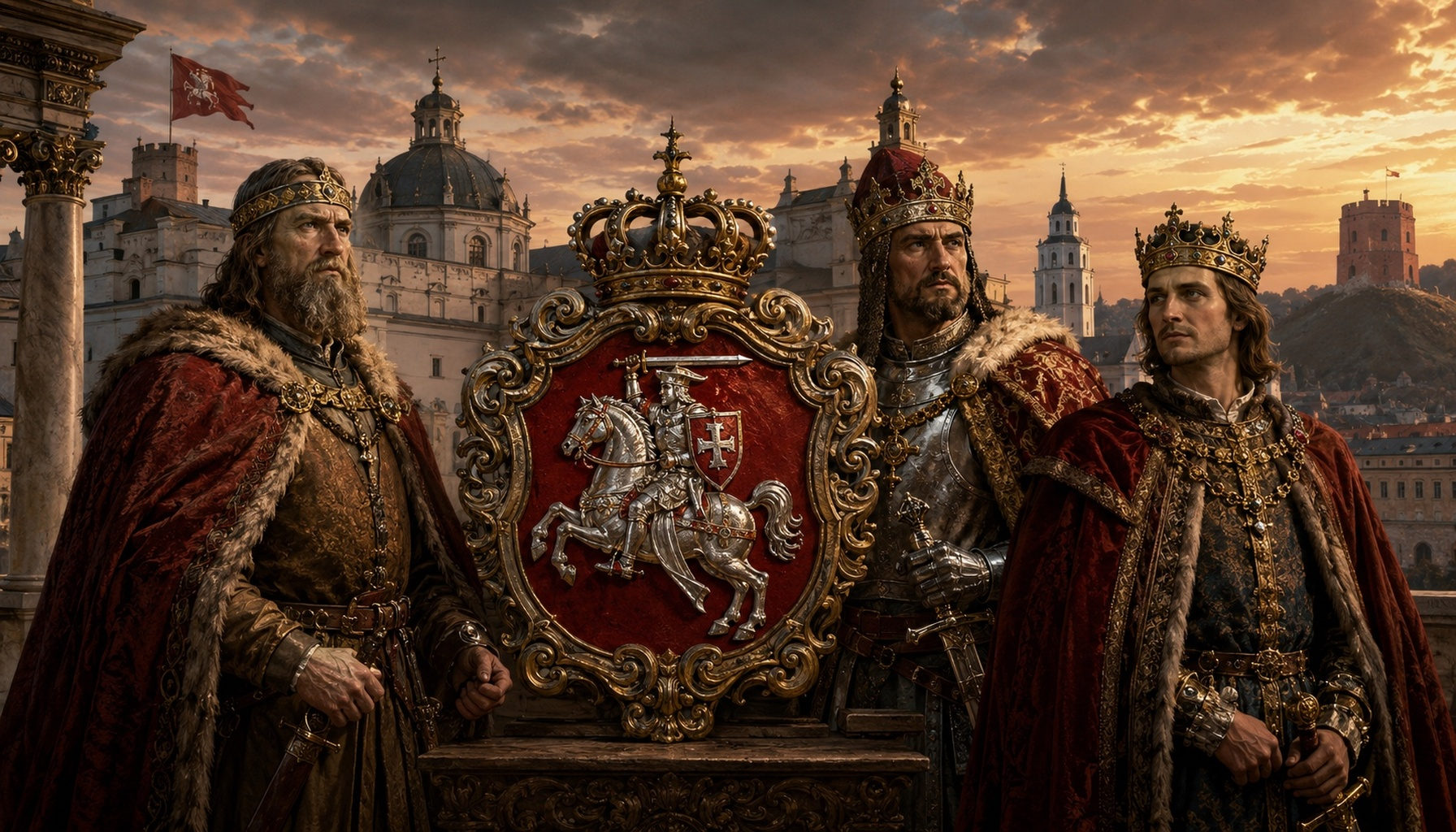
Haplogroups and Noble Lines The Grand Dukes of Lithuania Grand Dukes of Lithuania Background and origins The Grand Dukes of Lithuania were the rulers of a dynasty and political world that grew out of the Baltic heartlands of medieval Lithuania and expanded into one of the largest states in Europe. Their story begins in the forests, river systems, and By Caterina • 3 min read
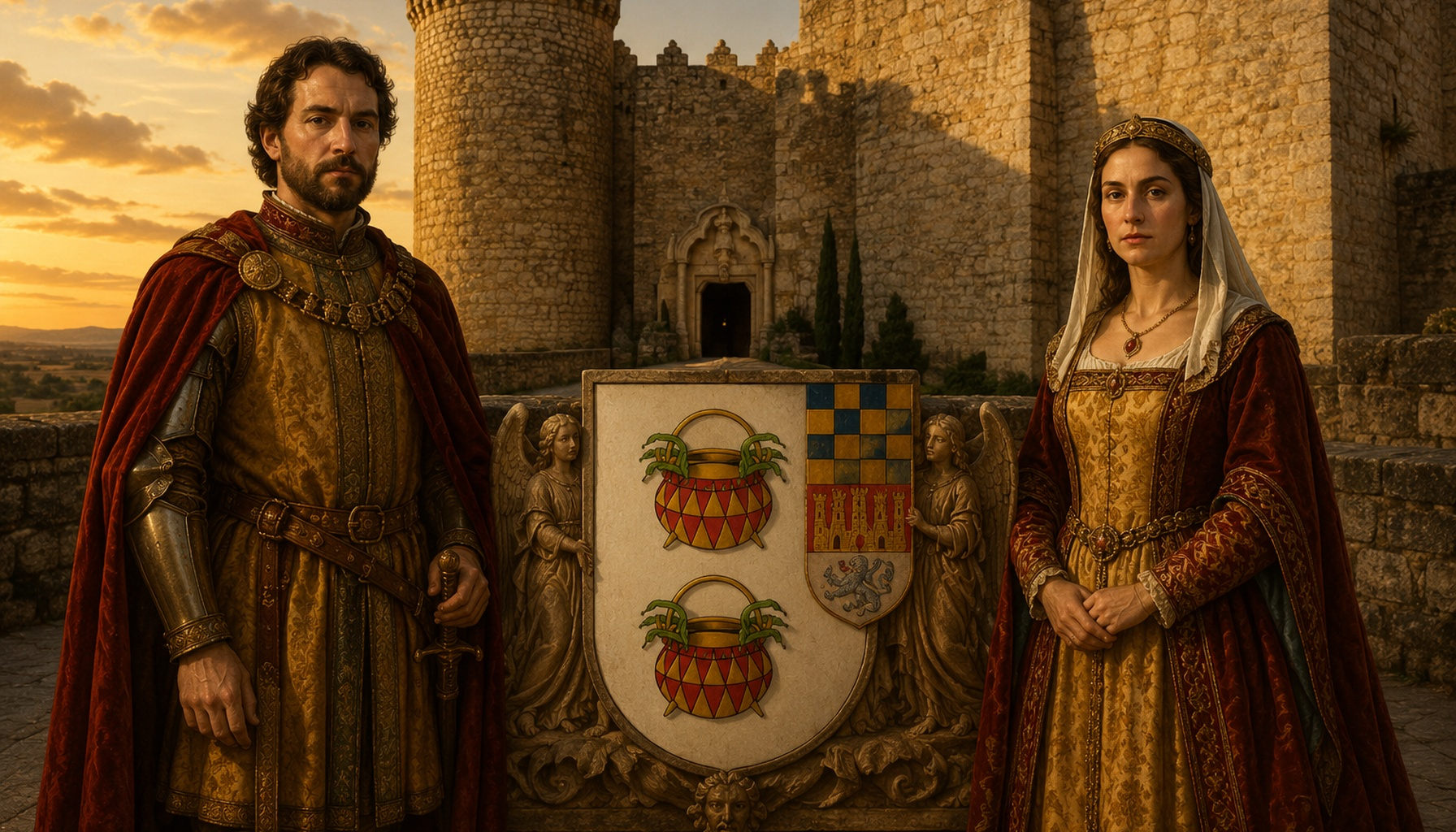
Haplogroups and Noble Lines The Pacheco Family The Pacheco Family Background The Pacheco family was one of the historic noble lineages of Iberia, rooted in the aristocratic worlds of Portugal and Castile and later woven deeply into the political society of Spain and Portugal. In broad historical terms, House Pacheco belongs to that recognisable Iberian pattern: a By Caterina • 3 min read