The Kingdom of Mann
– 3 min read
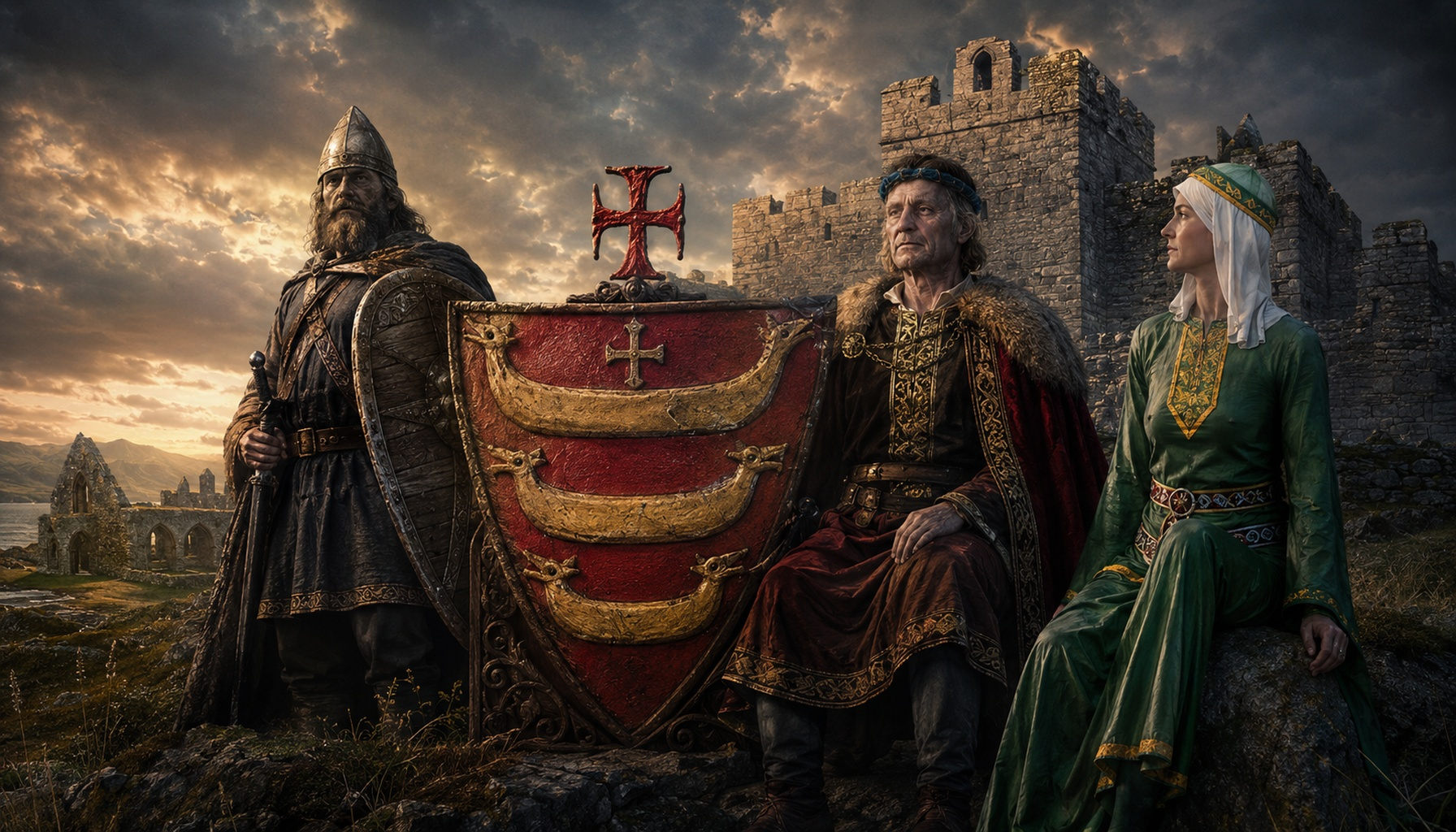
The Kingdom of Mann was not a family in the later surname sense, but a seaborne royal world centered on the Isle of Man, with deep ties to the Hebrides and the wider Irish Sea. Its ruling line belonged to that unmistakably Norse-Gaelic pattern that emerged in the Viking centuries: kings who ruled from ships as much as from halls, who measured power by harbors, islands, and sea lanes rather than broad inland frontiers. For descendants and DNA enthusiasts, the primary haplogroup linked here is R1b1a1b1a1a2a1b2, a lineage found across a wide spread of ancient and historic western Eurasian contexts. Haplogroups: R1b1a1b1a1a2a1b2.
What made Mann so distinctive was its blend. Norse settlement brought maritime muscle, ship-borne warfare, and connections to Norway and the North Atlantic; Gaelic culture shaped language, lordship, kin-politics, and the texture of daily rule. This was a kingdom of coastal strongholds, tribute, naval movement, and shifting loyalties among Scotland, Ireland, Norway, and England. One named figure often associated with this world is Olof the Black, remembered within the turbulent dynastic landscape of island kingship, where succession could be sharp-edged and authority always had to be defended. In other words, Mann was never simply a small island state. It was an Irish Sea power, built on mobility, memory, and a very strong sense that islands could be the center of the map rather than the edge of it.
Read more about Viking settlers
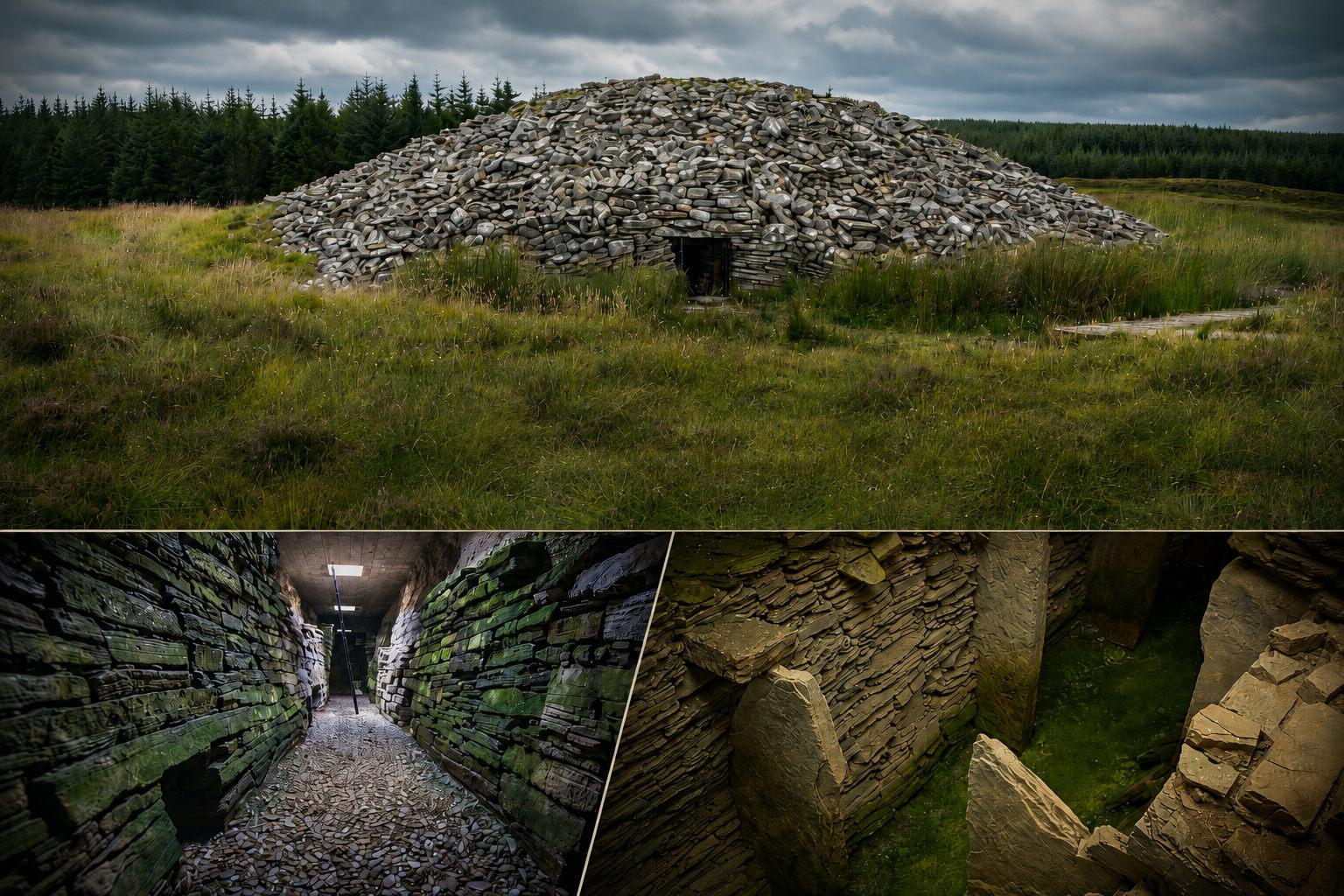
The great location anchor for the Kingdom of Mann is, of course, the Isle of Man itself, sitting in the middle of the Irish Sea like a kind of medieval hinge between Britain and Ireland. That position explains nearly everything. Mann could watch, trade, raid, negotiate, and survive because it occupied the sea roads linking Dublin, Galloway, the Hebrides, western Scotland, northern England, and beyond. The island's historic landscape still preserves traces of that layered past: promontory forts, ecclesiastical sites, Viking-era sculpture, assembly traditions linked to Tynwald, and coastal places where maritime rule feels more intelligible than any neat modern border. It is one of those rare places where the geography still helps you understand the politics. And yes, the Isle of Man can certainly still be visited today, which is part of its fascination: this is not a lost kingdom under the sea, but a living island where the medieval Norse-Gaelic past still clings to the landscape.
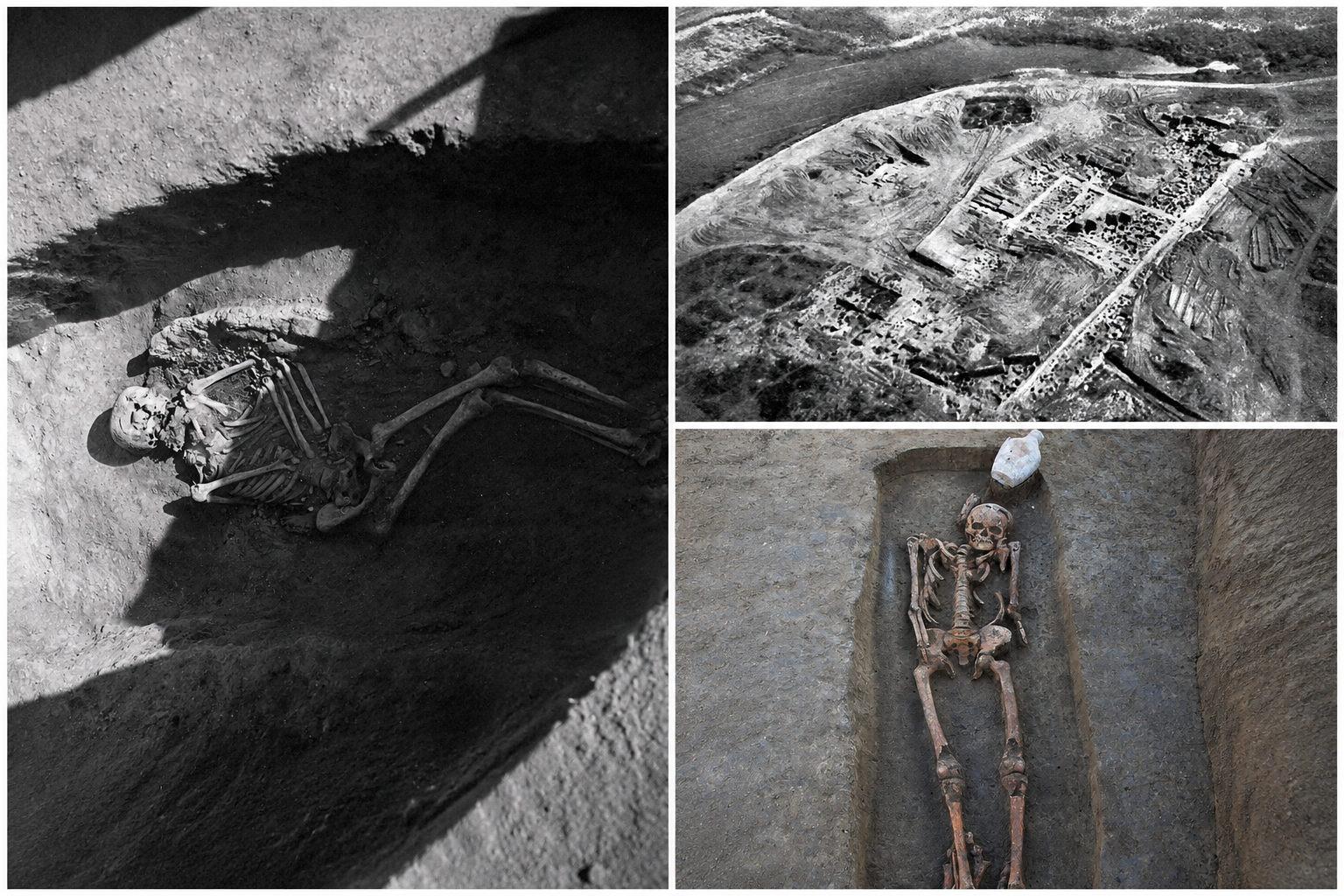
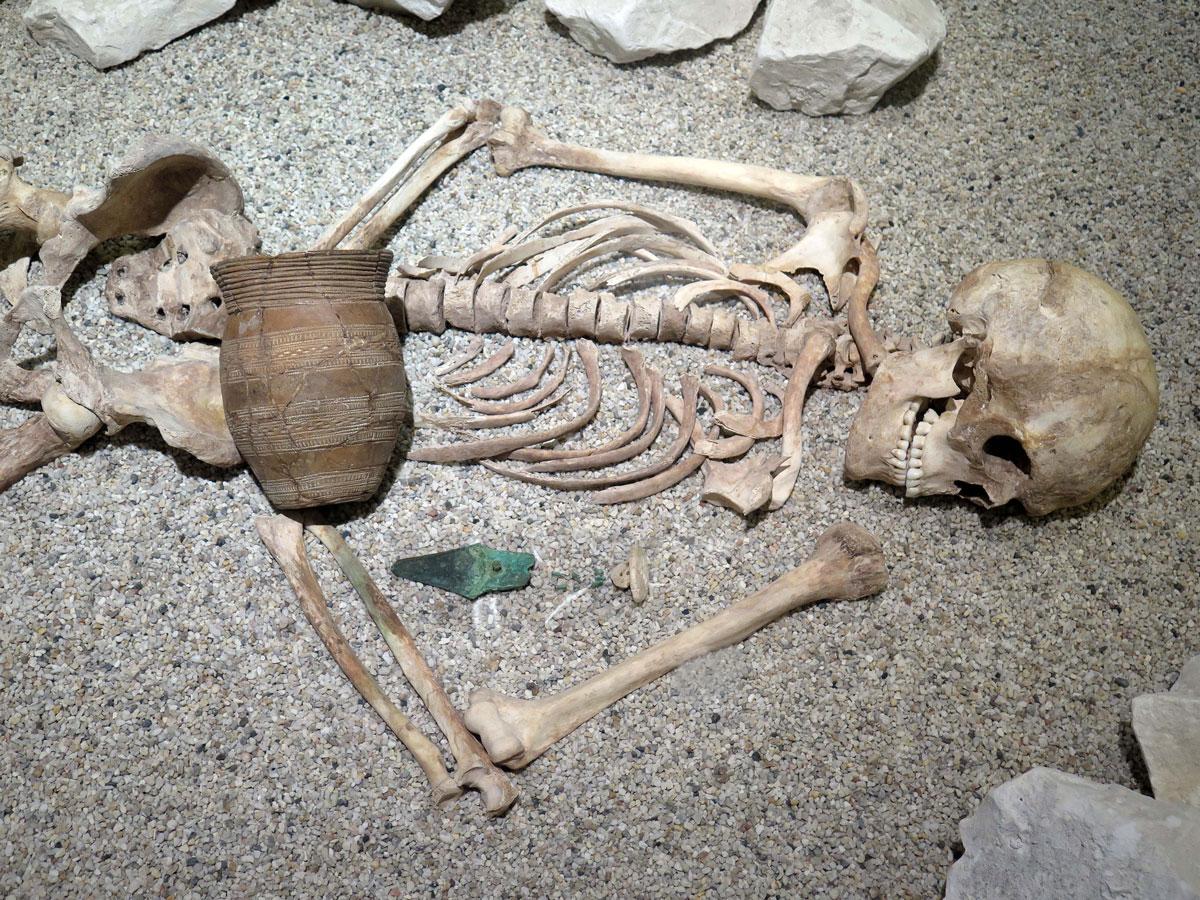
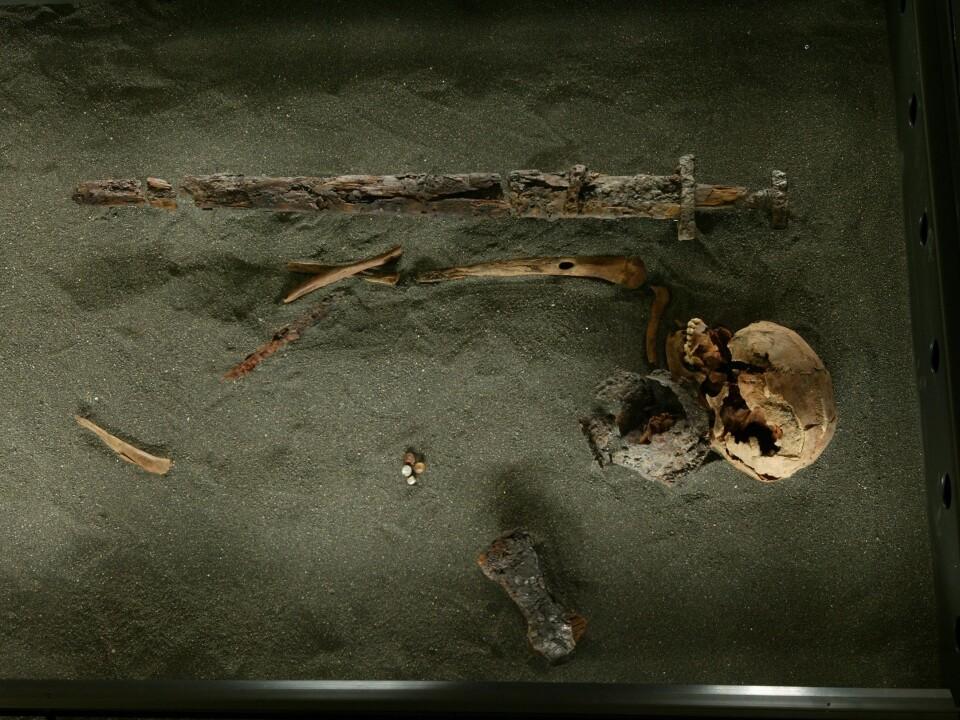
From an ancient DNA perspective, the haplogroup R1b1a1b1a1a2a1b2 is linked to a strikingly broad set of related samples across time and space, which is a useful reminder that lineages travel through many cultures before they ever appear in one medieval kingdom. Related or linked examples include Merovingian Period Frankish Eltville Germany (EV8), Viking Age Bogovej Langeland Denmark (VK365), Viking Invader Ridgeway Hill England (VK261), Bronze Age Melton Quarry East Riding of Yorkshire (I7629), Bronze Age Constantine Island Cornwall England (I16454), Celtic Briton Brassington Derbyshire England (I12771), Iron Age Briton Worlebury Camp Somerset England (I11143), Celtic Briton Thornholme Yorkshire England (I14327), Celtic Briton Pocklington Yorkshire England (I12413), and Historic St. Mary City Chapel Field Cemetery Maryland (I35260), alongside deeper Bronze Age and Iron Age examples from Iberia, France, Sicily, Sardinia, Bohemia, Portugal, and beyond. These samples should not be read as proof of direct descent from the rulers of Mann. Rather, they show the wider prehistoric and historic background of a paternal lineage that appears in many of the populations that helped shape Atlantic Europe, the Viking world, and the Irish Sea zone.
If the Kingdom of Mann speaks to your family story, the real excitement is in testing how your own DNA fits into this Norse-Gaelic maritime world. Upload your DNA to MyTrueAncestry and see whether you match the Kingdom of Mann story, or related ancient DNA samples linked to haplogroup R1b1a1b1a1a2a1b2 across Britain, Scandinavia, Iberia, and the wider European past.
Comments