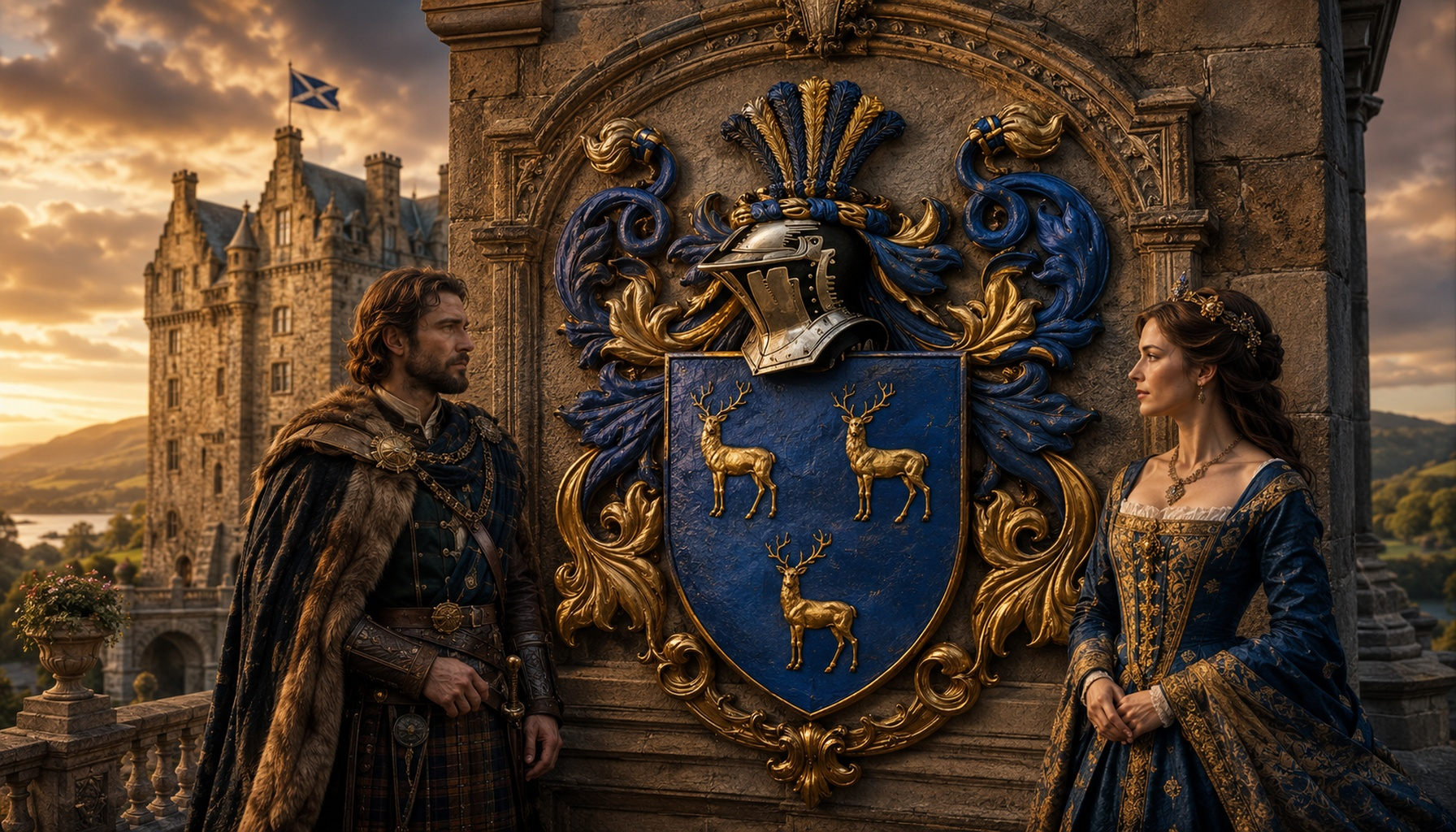
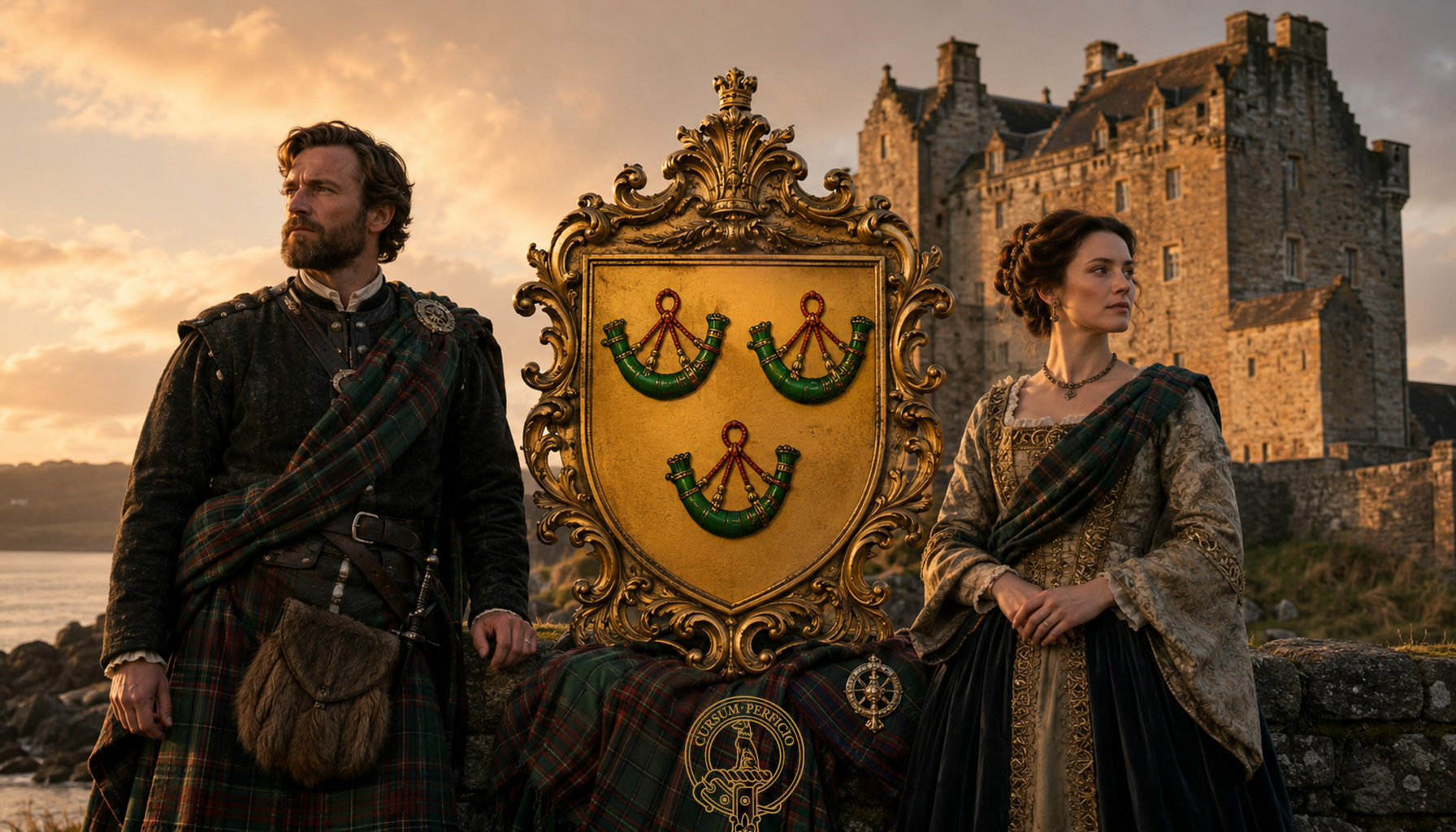
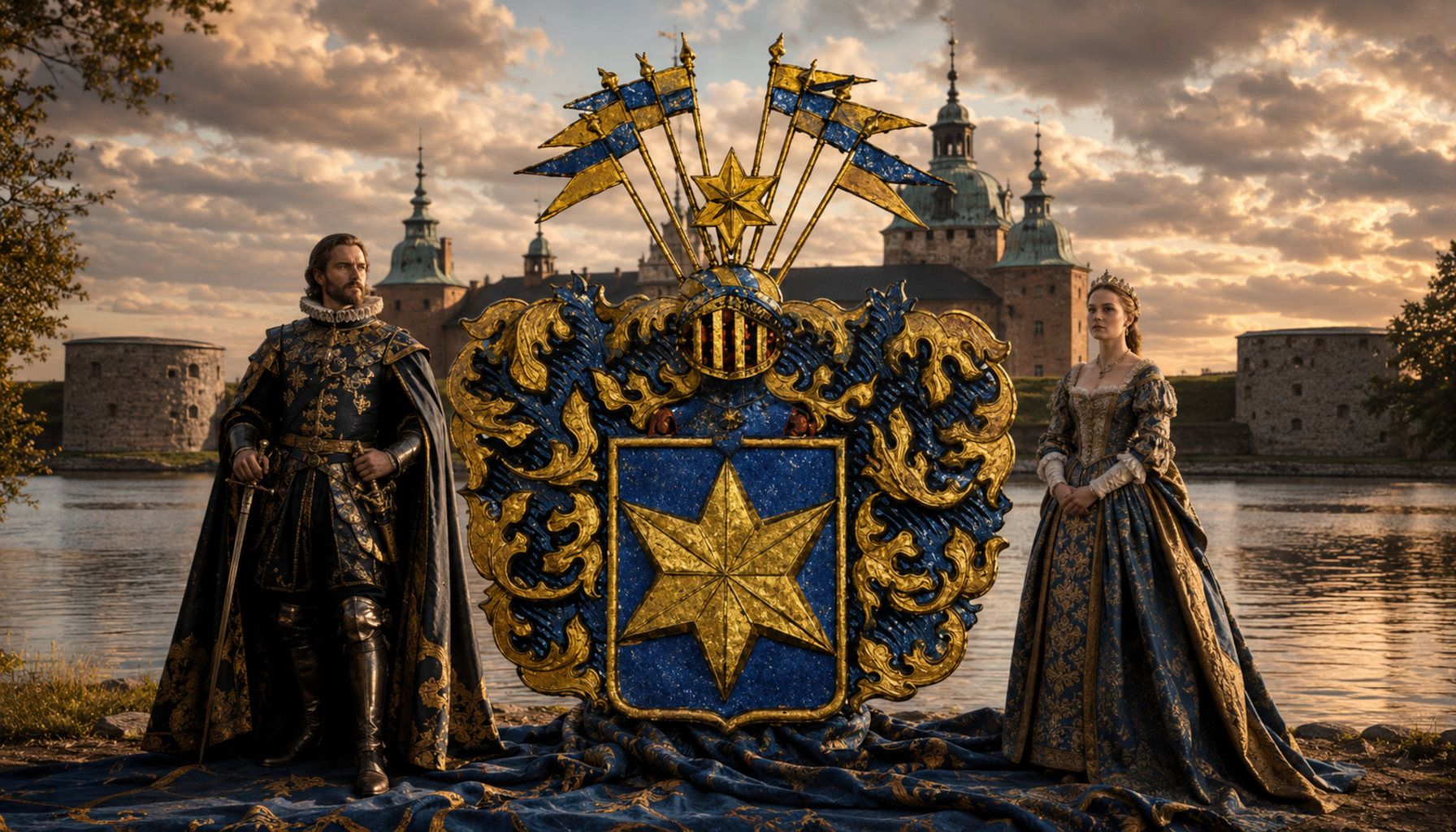
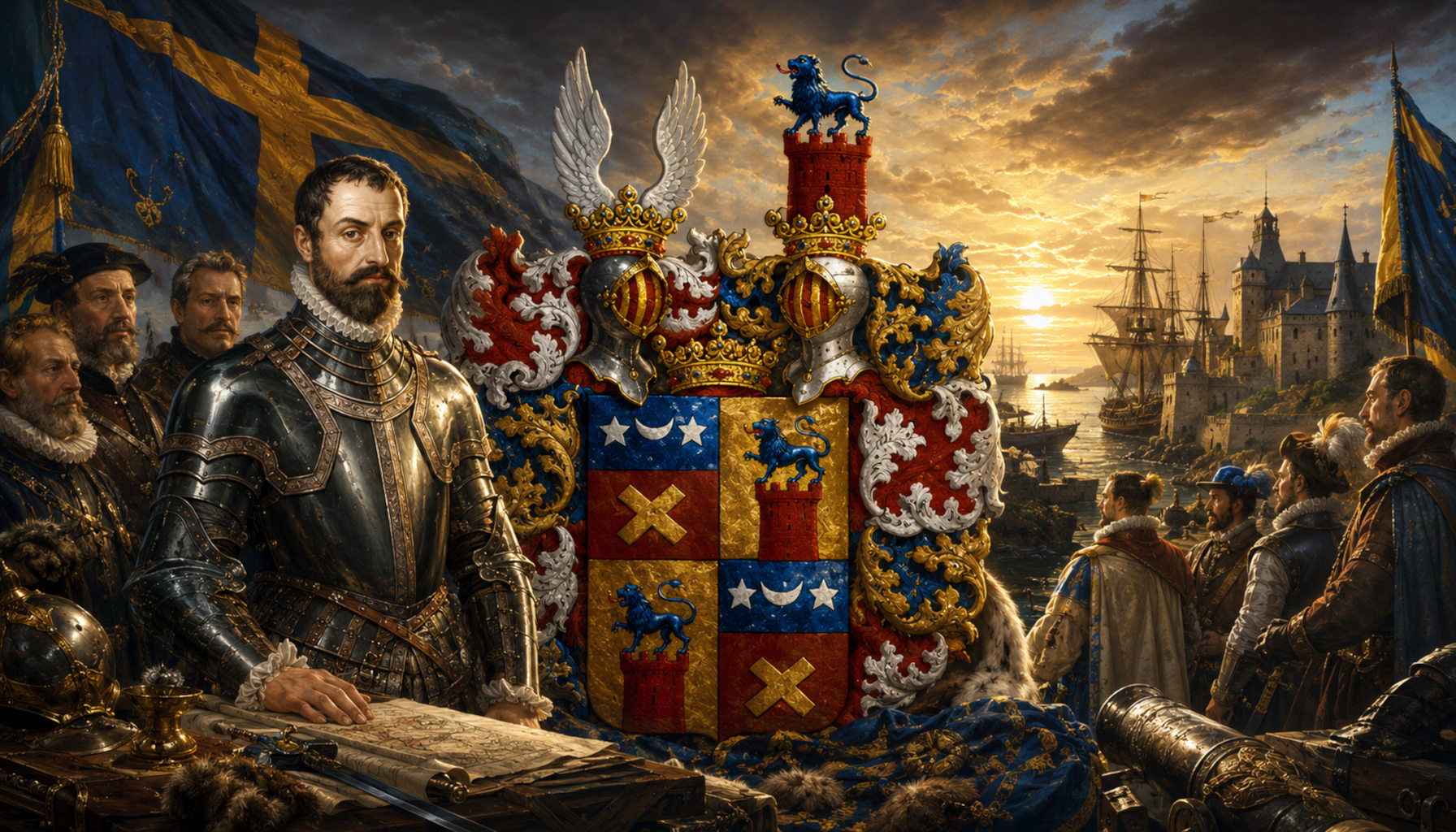
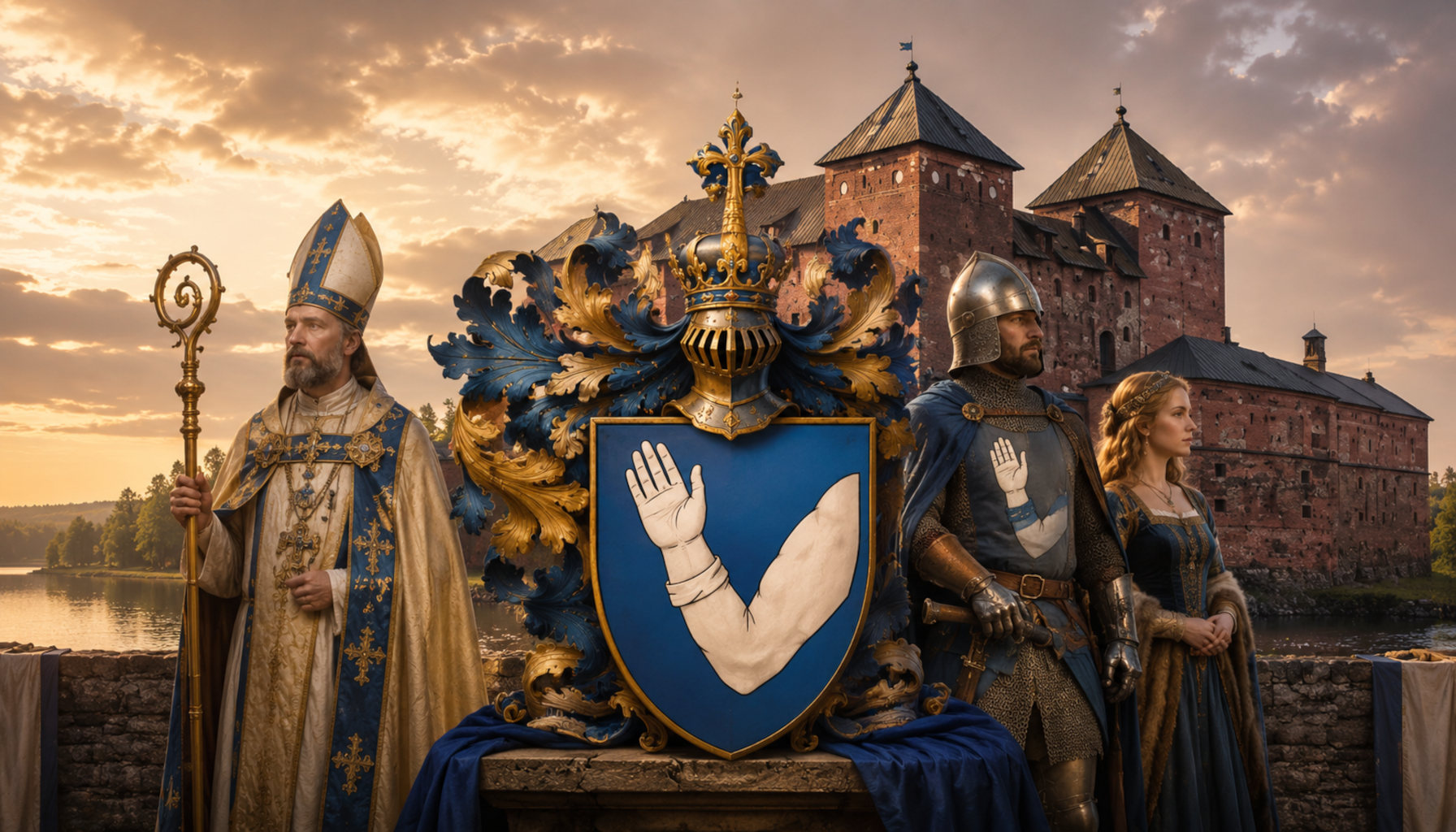
Haplogroups and Noble Lines Clan Adams Clan Adams Clan Adams is best understood as a Scottish family tradition built around surname continuity, regional belonging, and inherited identity. In the Scottish world, not every surname tradition sat among the great headline Highland clans, yet names like Adams mattered enormously in local life: they were carried through kinship, By Sven • 3 min read
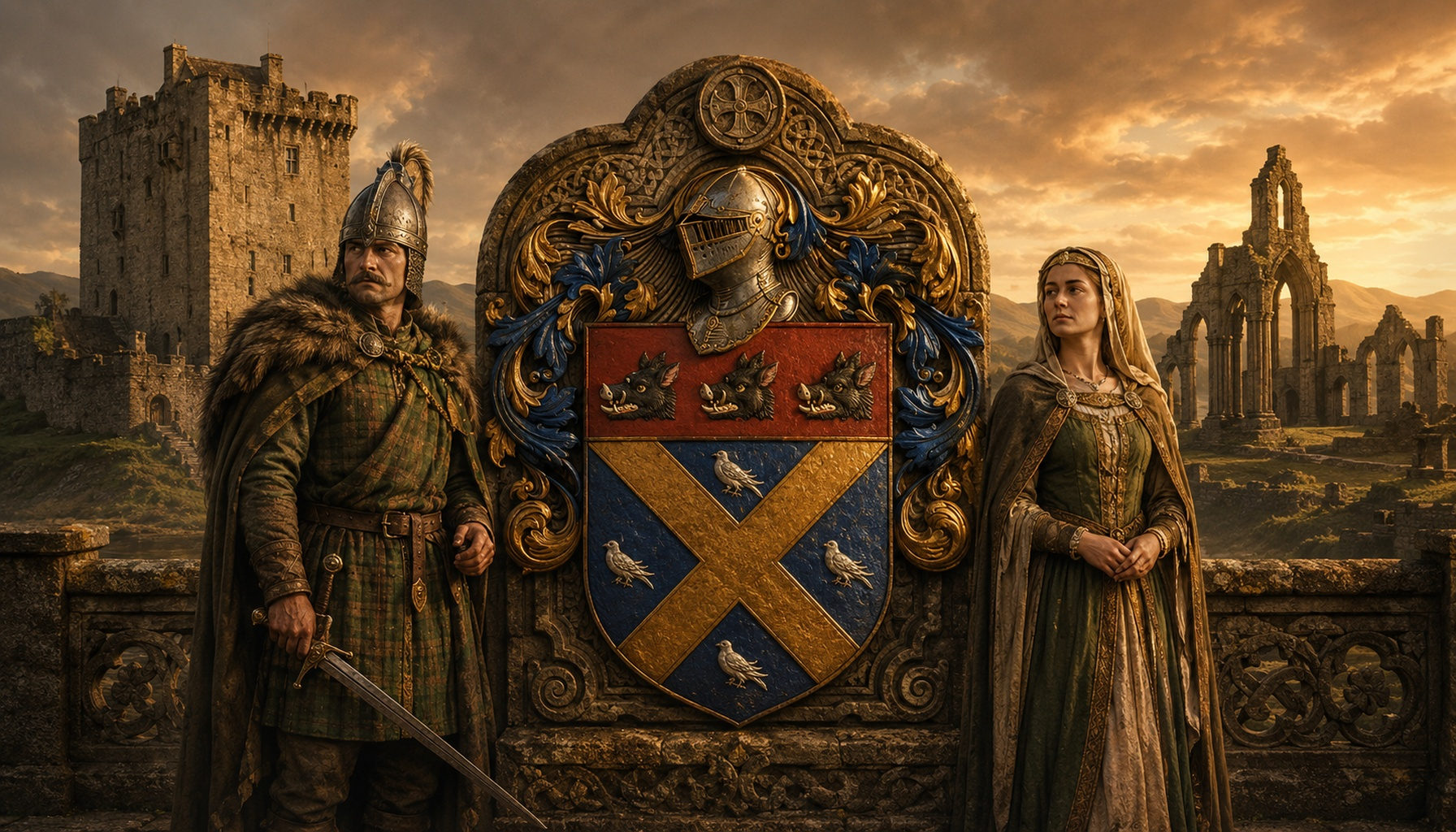
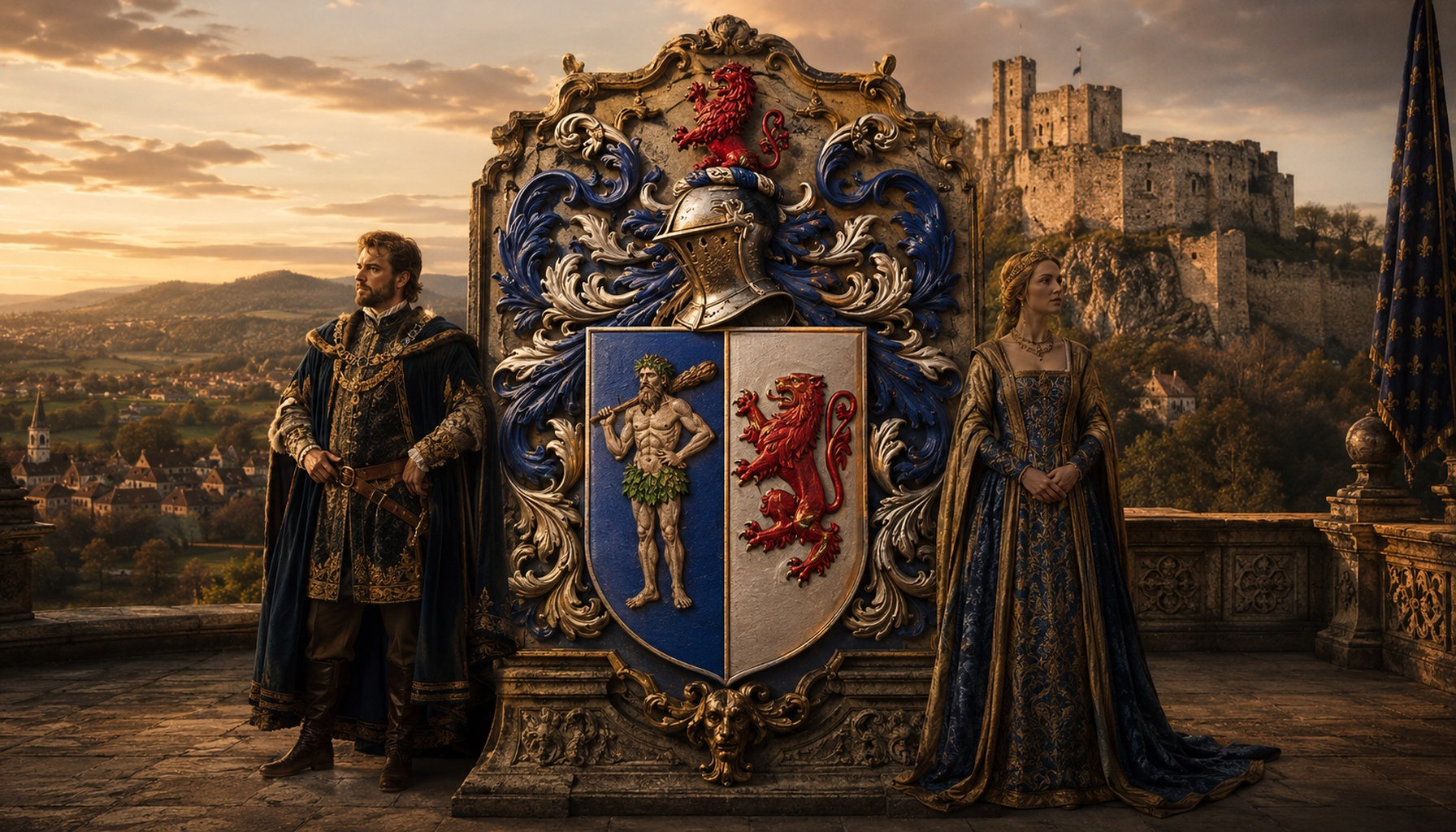
Haplogroups and Noble Lines Clan Ross Clan Ross Clan Ross was one of the great Highland kindreds of northern Scotland, rooted above all in Easter Ross and the older territorial world that tied lordship, kinship, and land tightly together. In historical terms, the Rosses fit the classic Highland noble-clan pattern: chiefs, fighting men, landed authority, heraldic By Sara V • 3 min read
Haplogroups and Noble Lines The House of Meerscheidt-Huellessem House of Meerscheidt-Huellessem Origins and family background The House of Meerscheidt-Huellessem was part of the German noble world of regional aristocracy, rooted in landed identity, heraldic tradition, and the long memory of lineage. In that very German way, the compound family name points to place, branch, and inherited status all By Caterina • 2 min read
Haplogroups and Noble Lines Clan Mac Giolla Bhrighde Clan Mac Giolla Bhrighde Background Clan Mac Giolla Bhrighde was a Gaelic family whose name tells you a great deal at once: they were people of kin, place, and devotion. Mac Giolla Bhrighde means "son of the servant or devotee of Brigid", linking the family to the powerful By Sven • 2 min read
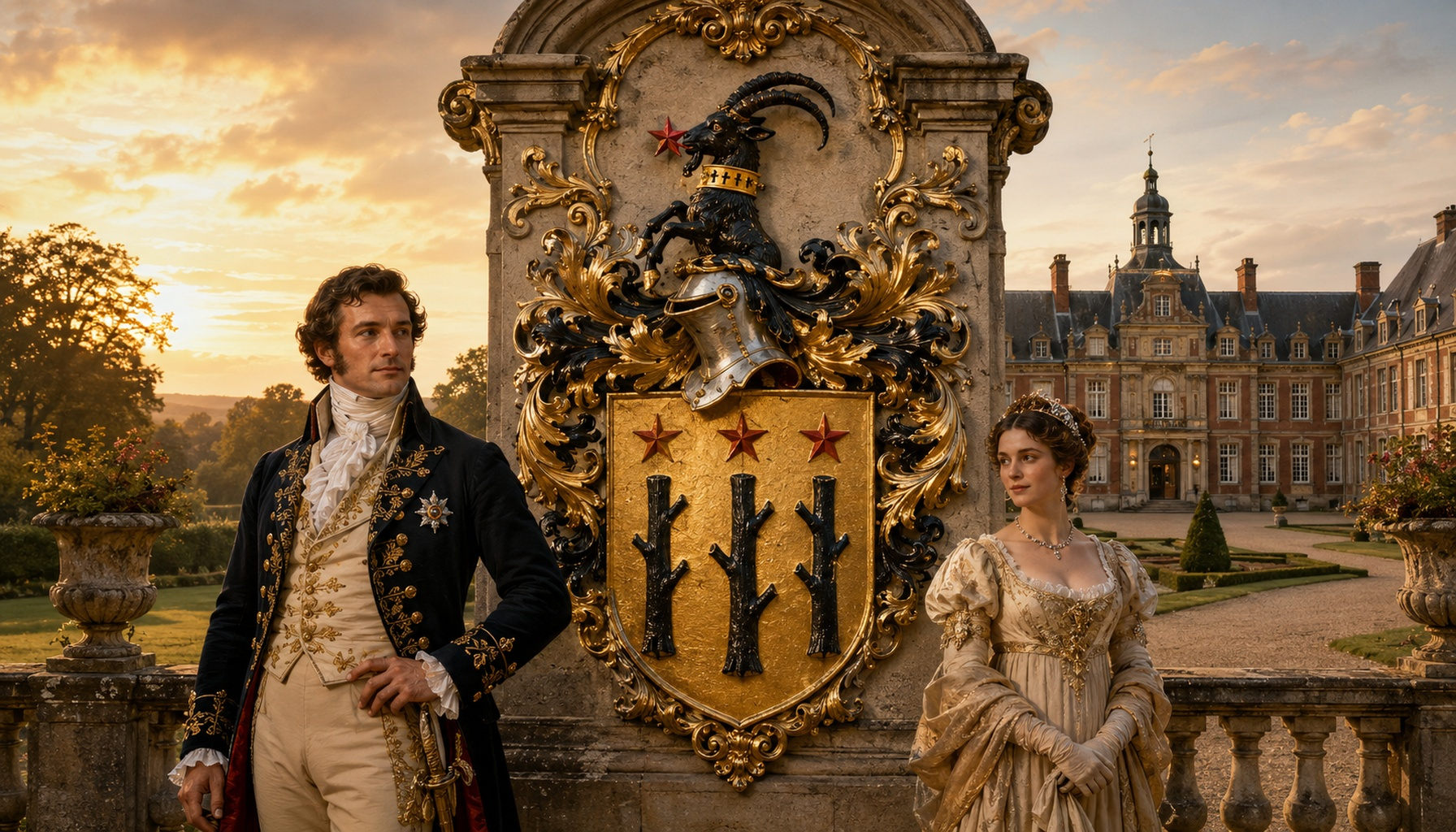
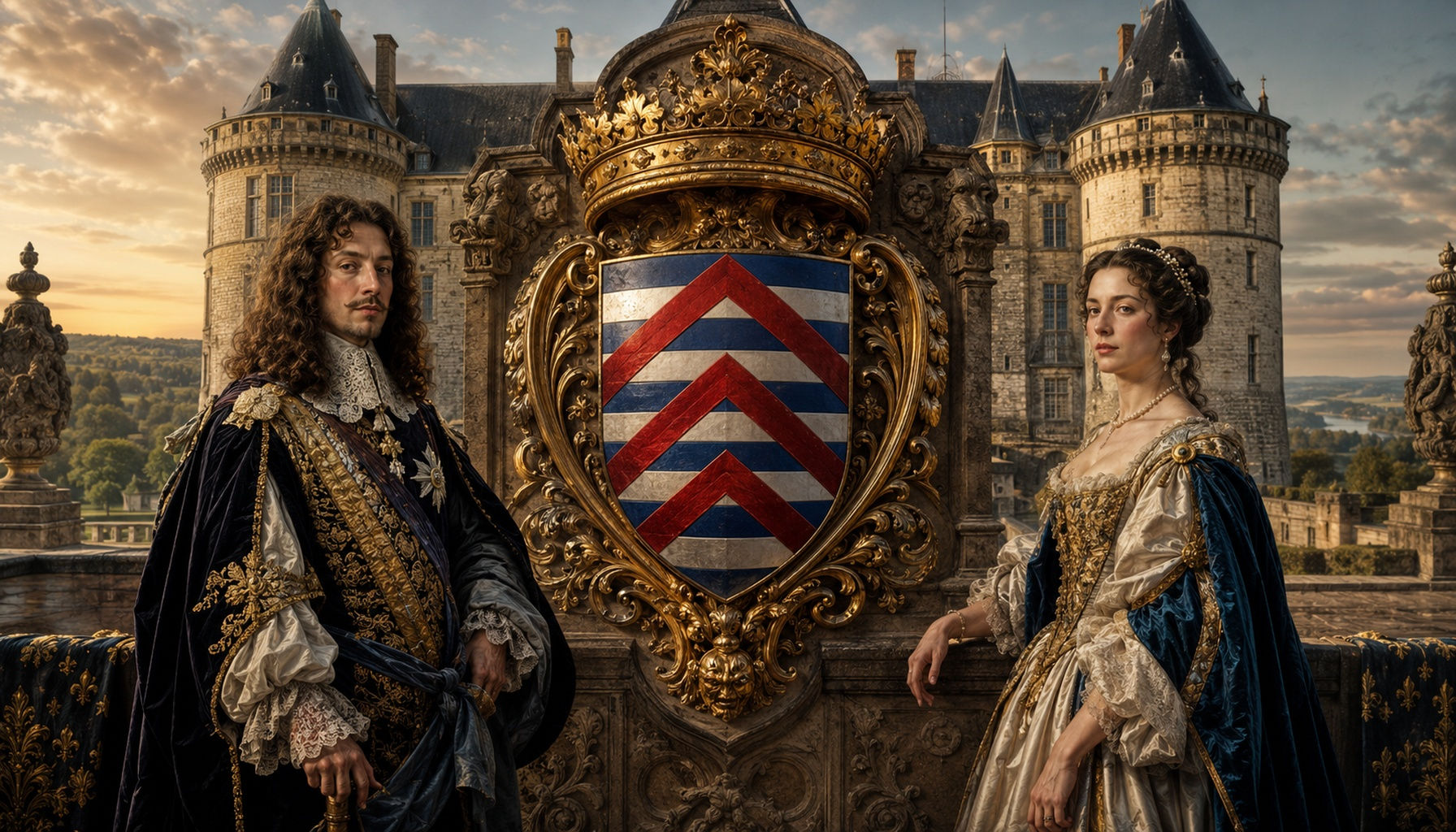
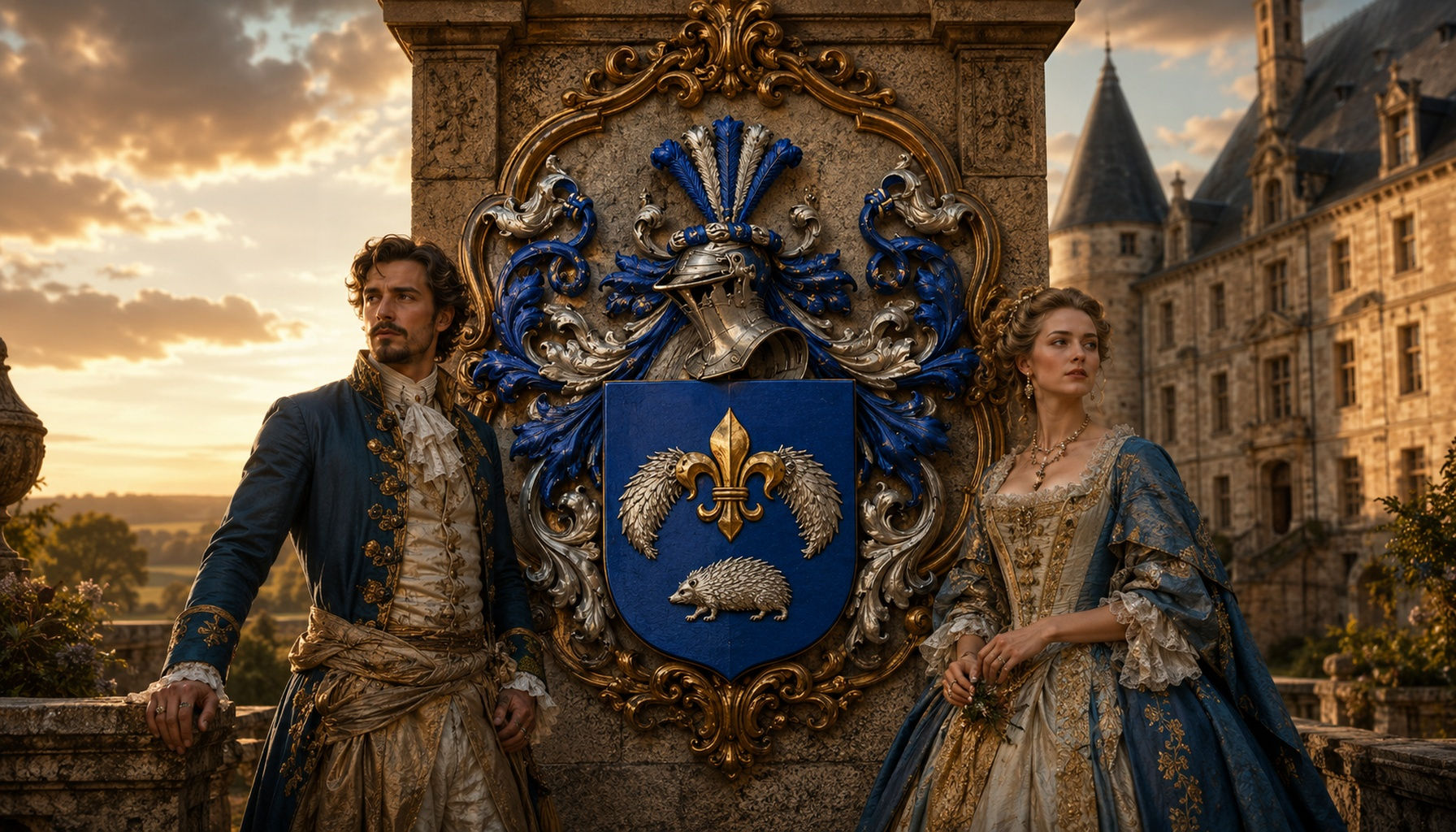
Haplogroups and Noble Lines The House of La Rochefoucauld House of La Rochefoucauld Origins and family background The House of La Rochefoucauld was one of the great noble families of France, rooted in the old lands of Angoumois in western France, and closely tied here to the Y-DNA haplogroup R1b1a1b1a1a1b. In historical terms, this is a house that fits By Sven • 3 min read
Haplogroups and Noble Lines The House of Green of Greens The House of Green of Greens The House of Green of Greens belongs to that recognisable world of English landed and armigerous families in which surname, estate, and heraldic identity were tightly bound together. This was not simply a family name drifting through the records, but a house remembered through By Caterina • 3 min read
Haplogroups and Noble Lines The House of de Robillard House of de Robillard Family background The House of de Robillard belongs to the wider world of French family history in which a name could carry regional identity, memory, service, and movement across generations. In that sense, de Robillard is best understood as a French-origin family house shaped by local By Jamie L • 2 min read
Haplogroups and Noble Lines The House of de Malain House of de Malain The House of de Malain was a French noble family of Burgundy, rooted in the old seigneurial landscape west of Dijon and remembered through lordship, land, and heraldic identity. Their name is plainly territorial: de Malain means that this family drew its standing from the place By Jamie L • 3 min read
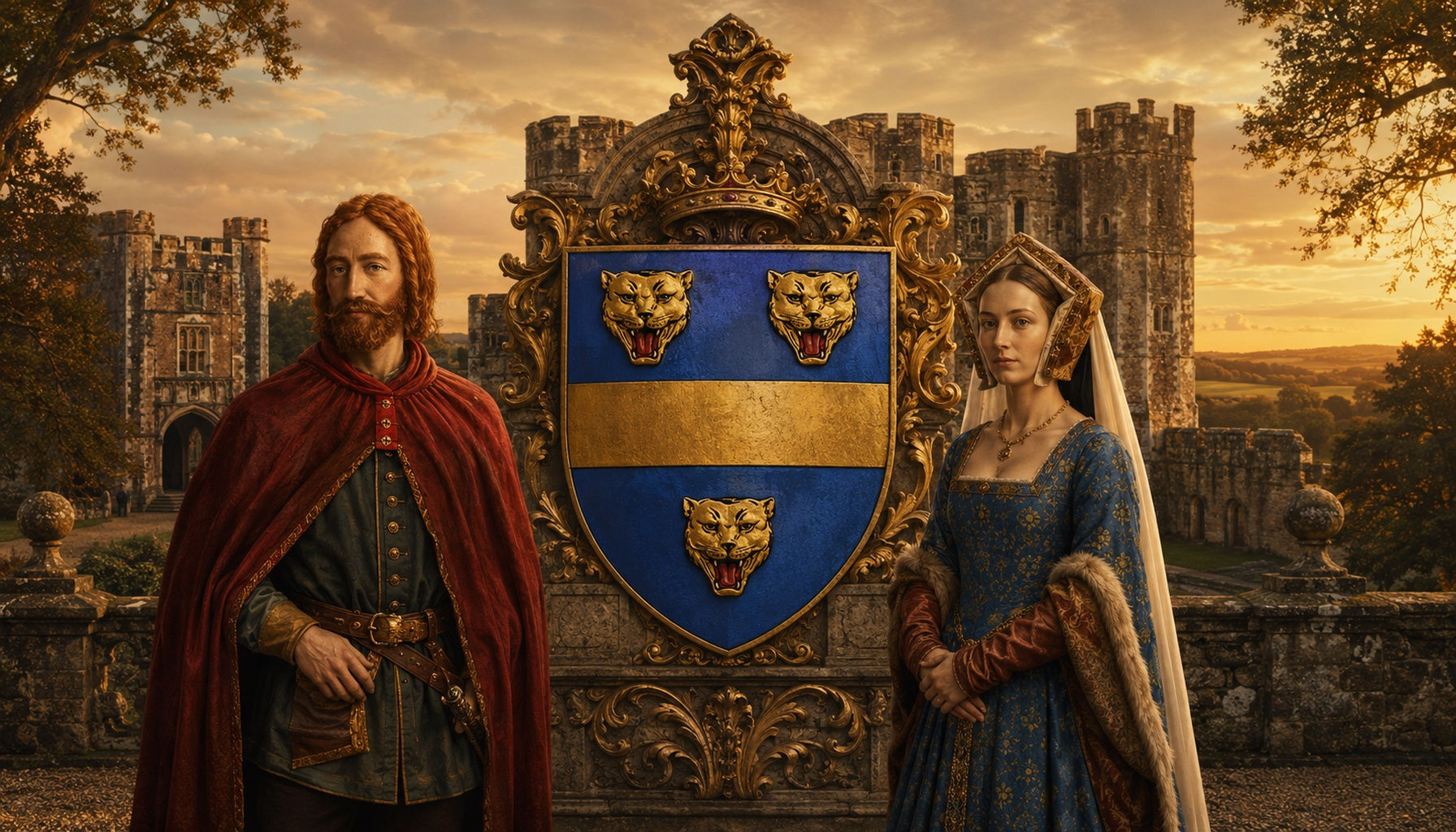
Haplogroups and Noble Lines The House of De La Pole House of De La Pole Background The House of De La Pole was one of the great success stories, and cautionary tales, of late medieval England: a family that rose from commerce into the highest ranks of the nobility, rooted above all in Suffolk, and drawn deep into royal service, By Caterina • 3 min read
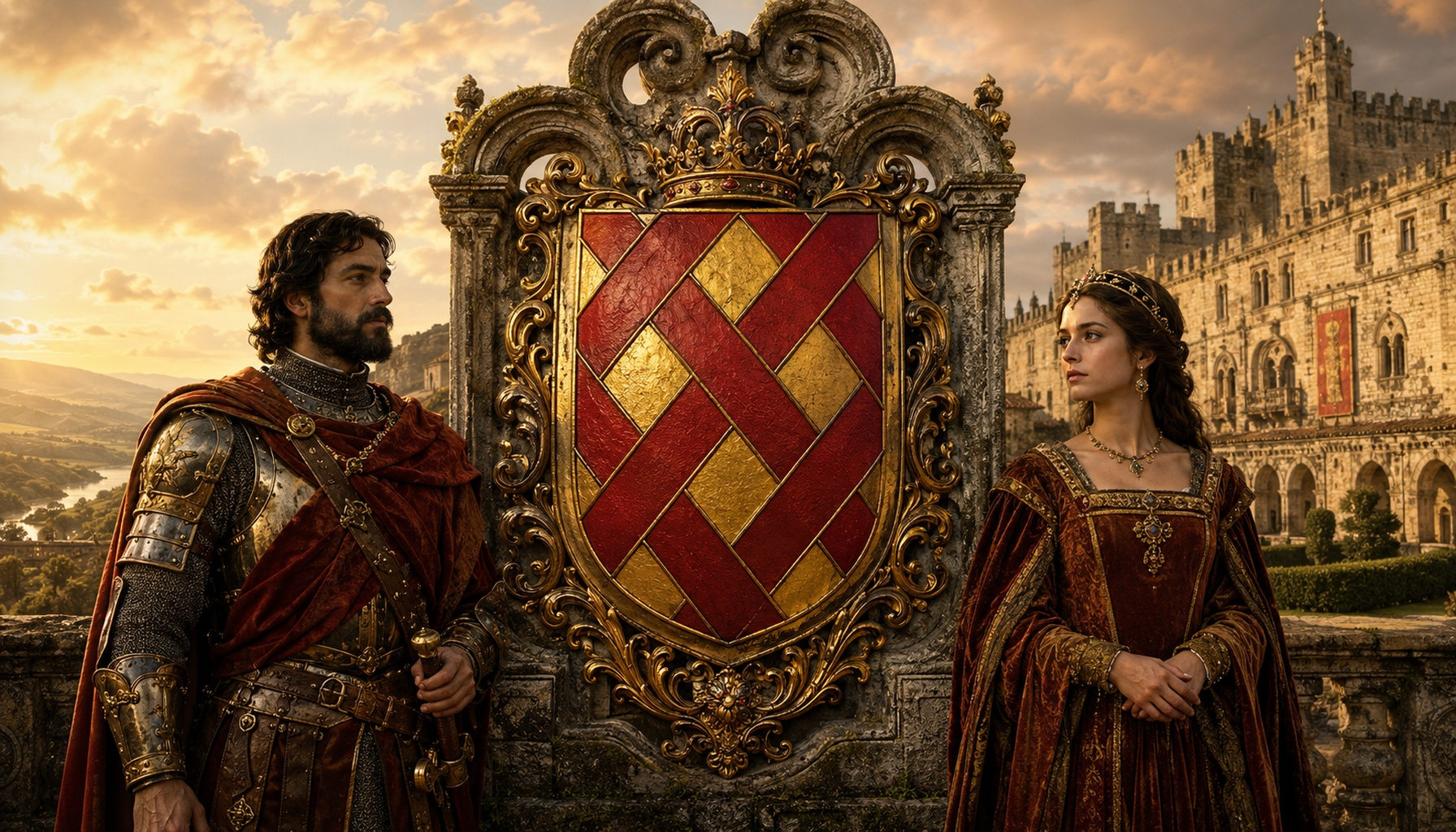
Haplogroups and Noble Lines The House of de Correia House of de Correia The House of de Correia belongs to the long and layered story of Portuguese and Iberian nobility: a family world built from regional roots, royal service, military duty, heraldic memory, landholding, and strategic marriage. In that sense the de Correia family is not just one lineage By Caterina • 3 min read
Haplogroups and Noble Lines The House of Bray House of Bray The House of Bray was one of those recognisably English landed families whose story was built not on fantasy or legend, but on something far more important in historical terms: place, property, office, and reputation. Associated with regional roots, estate identity, and long public service, the Bray By Jamie L • 2 min read
Haplogroups and Noble Lines The House of Ardenne-Verdun House of Ardenne-Verdun Who they were The House of Ardenne-Verdun was a medieval noble family of the borderlands, rooted in the Ardennes, Verdun, and wider Lorraine, in that complicated world between the French and German spheres of influence. This was not a dynasty that belonged neatly to one modern nation. By Sara V • 3 min read
Haplogroups and Noble Lines Clan Grant Clan Grant Highland chiefs of Strathspey, Speyside, and Castle Grant Clan Grant was one of the great Highland families of northern Scotland, rooted above all in Strathspey and the Speyside country, where river, forest, hill, and estate shaped the clan's long identity. Whatever the precise beginnings, and historians By Sara V • 3 min read
Haplogroups and Noble Lines Clan Stewart Clan Stewart The House of Stewart, later often rendered Stuart in its royal form, was one of the great ruling families of Scotland and, eventually, of Britain and Ireland. The dynasty began not as kings but as royal servants of immense importance. Its founder was Walter fitz Alan, descended from By Sara V • 3 min read
Haplogroups and Noble Lines Clan Hunter Clan Hunter Who the family were Clan Hunter was a historic Scottish Lowland family rooted above all in Ayrshire, with its long story tied to service, landholding, and the practical business of power. Traditionally, the Hunters are associated with Norman or Anglo-Norman origins, arriving in the orbit of the Scottish By Sven • 3 min read
Haplogroups and Noble Lines The Stierna Family The Stierna family The Stierna family was one of the old noble houses of Sweden, introduced at Riddarhuset in 1625 as noble family no. 77, though its roots ran much deeper into the medieval fralse world of Smaland. This was not a family that suddenly appeared with court fashion or By Jamie L • 3 min read
Haplogroups and Noble Lines The De la Gardie Family De la Gardie Family Origins and family background The De la Gardie family was one of the great noble houses of early modern Sweden: a Swedish baronial family entered at the House of Nobility, Riddarhuset, as baronial family no. 4, yet with roots far to the south in Languedoc in By Caterina • 3 min read
Haplogroups and Noble Lines The Tavast Family The Tavast Family The Tavast family was one of medieval Finland's best-known noble lineages, closely associated with Tavastia and remembered for its role in the political, legal, and ecclesiastical life of the late medieval Swedish realm. Emerging from the medieval fralse, the tax-exempt noble class that formed the By Caterina • 3 min read
Papers Neolithic Farmers, Foragers, and Plague on Gotland: Ancient DNA Reveals Ancestry, Admixture, and Disease Neolithic Farmer–Forager Encounters on Gotland Neolithic Farmer–Forager Encounters on Gotland: A Comprehensive Study of Ancient DNA, Social Organization, and Disease Introduction: Two Worlds Converging on a Baltic Island The Baltic island of Gotland, positioned strategically in the middle of the sea, became the stage for one of Europe& By Caterina • 9 min read
Haplogroups and Noble Lines The Stierna Family The Stierna family The Stierna family was one of the older noble houses of Sweden, introduced at Riddarhuset in 1625 as noble family no. 77, though its roots reached much further back into the medieval fralse of Smaland. This was a family of local power, law, land, and crown service, By Caterina • 3 min read
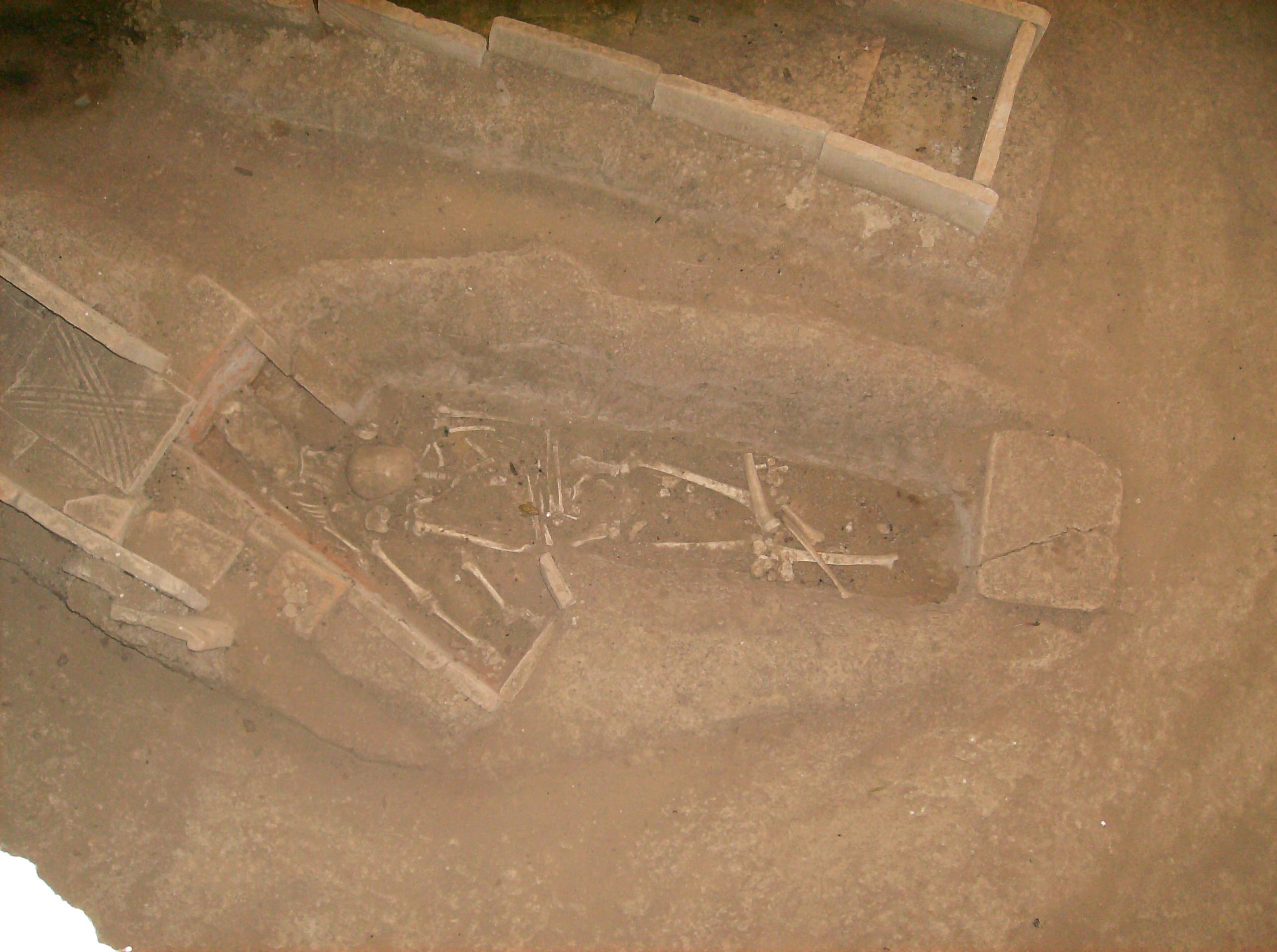
Papers Genomic Evidence for Changing Close‑Kin Marriage across the Roman Empire Roman Family Structures and Marriage Law under Imperial Rule The article explores how Roman family life and marriage rules actually worked on the ground, not just in law books. Using ancient DNA from graves across Italy, the Balkans, and Anatolia, it follows real families from the Iron Age into the By Jamie L • 9 min read
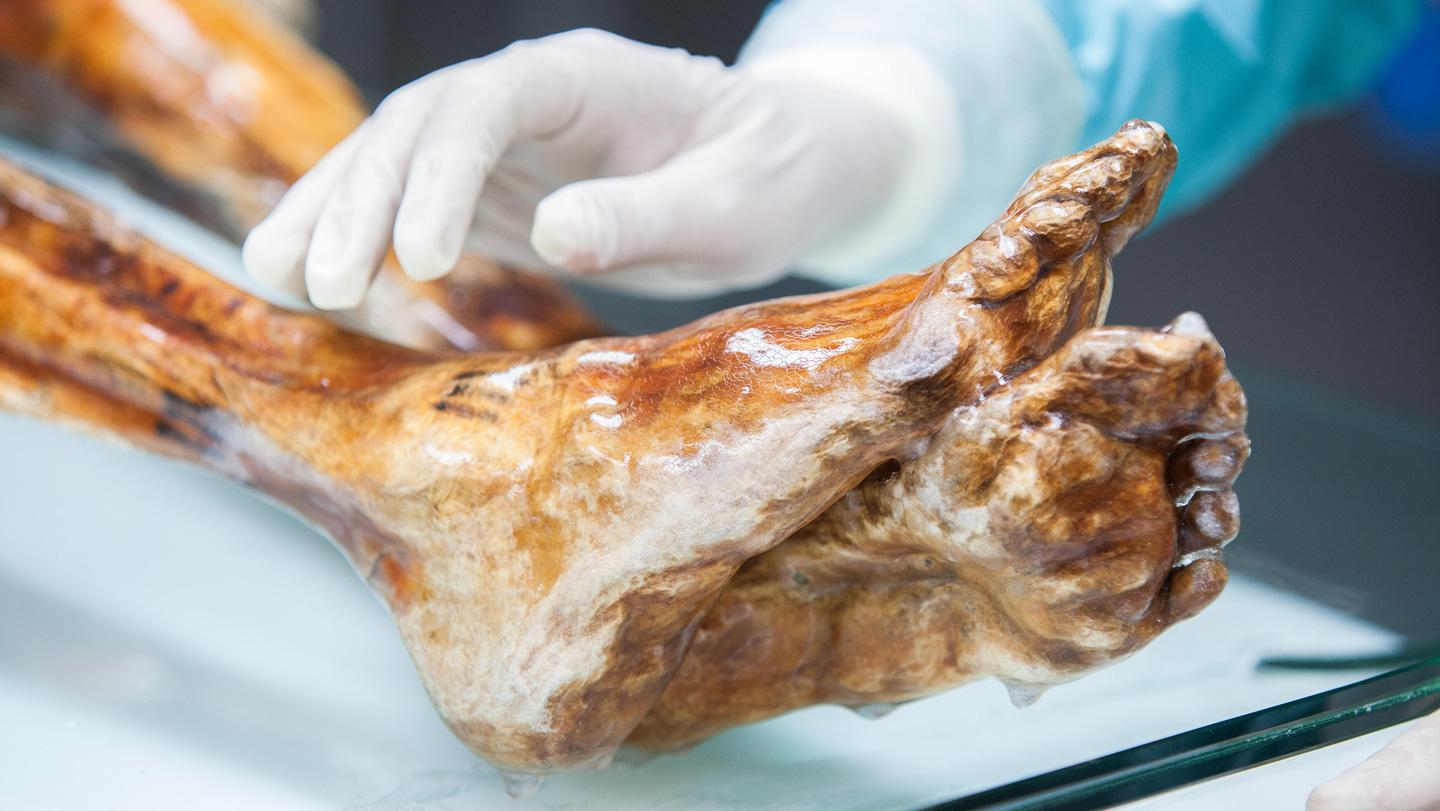
Papers Ancient and Modern Microbes on Ötzi: The Dynamic Microbiome and Conservation Risks of the Iceman The Iceman's Microbiome: A 5,300-Year Journey Through Ancient and Modern Microbial Worlds The Iceman's Microbiome: A 5,300-Year Journey Through Ancient and Modern Microbial Worlds Introduction: A Copper Age Time Capsule The story of Ötzi the Iceman begins 5,300 years ago in the Ötztal By Sara V • 5 min read
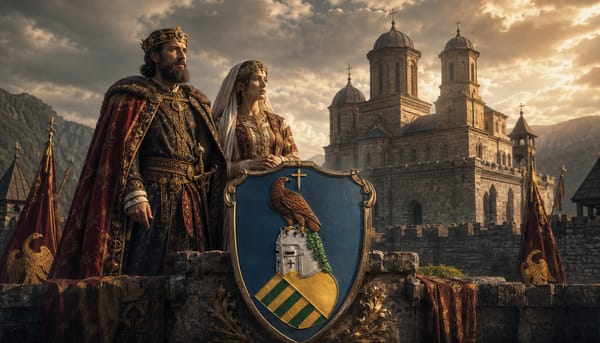
Haplogroups and Noble Lines House of Basarab Wallachia, the Basarab dynasty, and the Y-DNA story of E1b1b1a1b1a6a1. By Sven • 1 min read
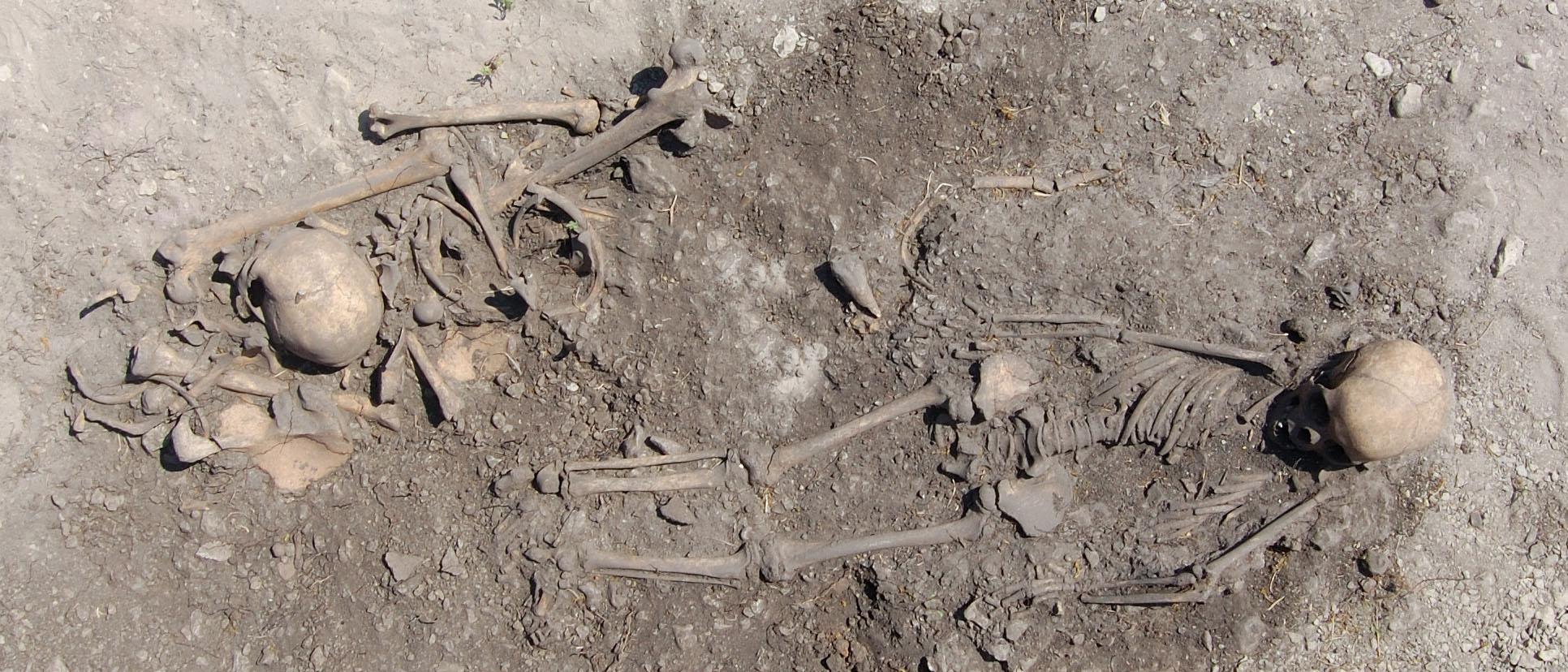
Papers Late Bronze Age Central Europe: Ancient DNA, Isotopes and Burials Reveal Local Continuity Amid Cultural Change Ancient DNA and Late Bronze Age Central Europe Ancient DNA and Shifting Ancestries in Late Bronze Age Central Europe The Late Bronze Age of Central Europe (approximately 1300–800 BCE) presents a fascinating window into ancient communities through rare genetic evidence. During this period, most people were cremated and their By Jamie L • 9 min read