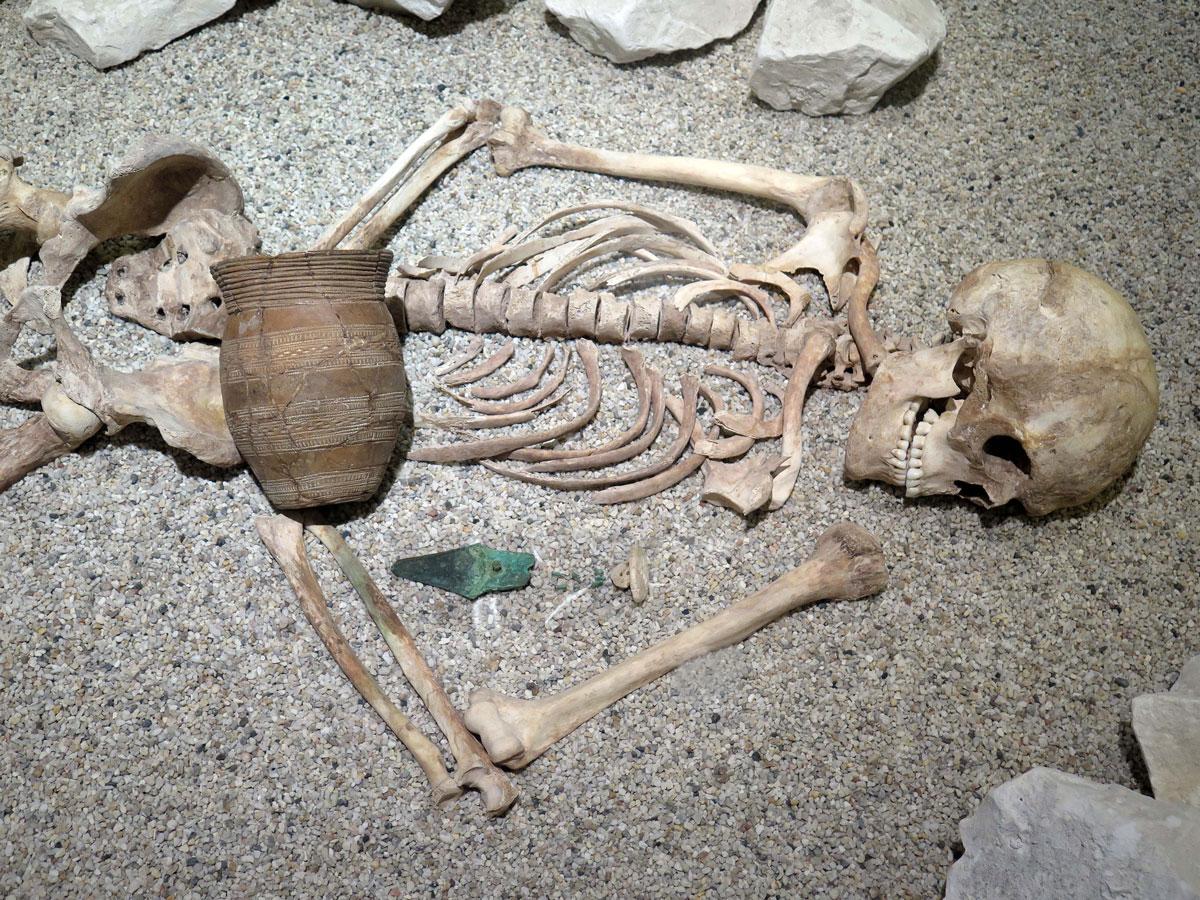
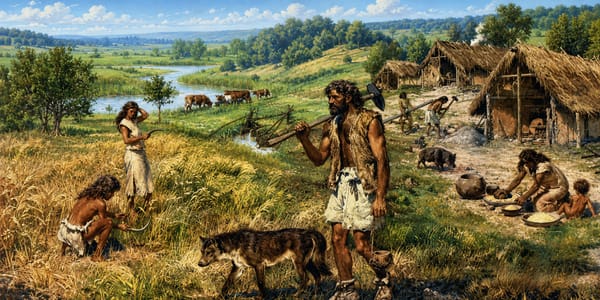
Papers Bronze Age Reuse of Neolithic Tombs in Southwestern Britain Ancient tombs, new people, and an old sacred landscape Southwestern Britain in later prehistory was already crowded with monuments and memories made powerful by vanished generations. Across Dorset and Gloucestershire, great burial mounds had been raised by the first farming communities centuries before metal arrived. These long barrows were bold By Sven • 4 min read
Papers Iceland’s Pangenome Reveals Hidden Disease Variants Iceland's Hidden Genomic Landscape A remarkable scientific expedition unfolded across the human genome much as an archaeological survey unfolds across a buried landscape. For years, many studies had relied on a single standard human genome as though it were one master map of a vast ancient world. But By Sven • 5 min read
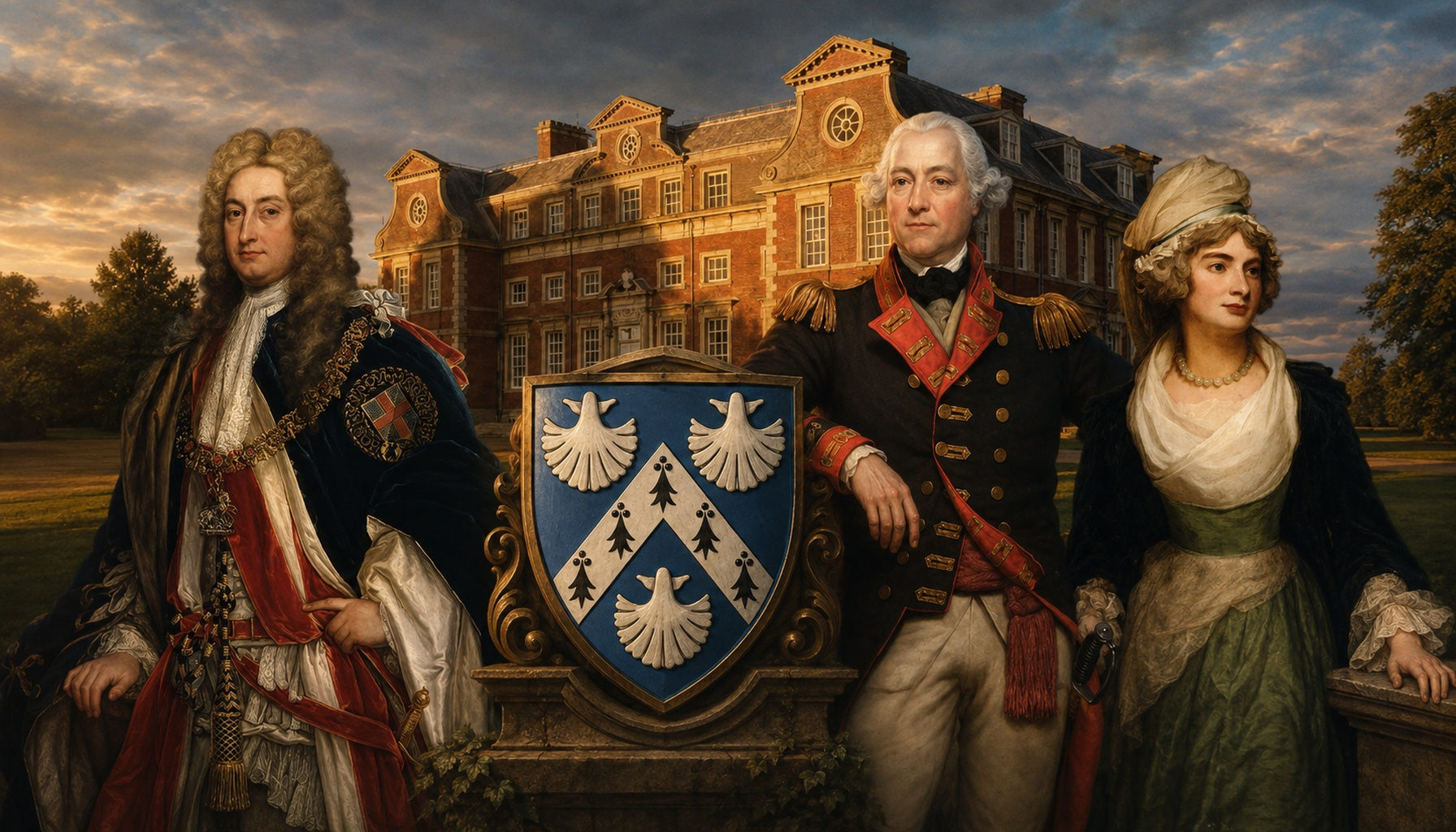
Haplogroups and Noble Lines The Noble House of Townshend Background The House of Townshend was an English noble house rooted above all in Norfolk, and especially associated with the great estate world of the east of England. Its story is a very English one: land, office, Parliament, marriage, heraldry, and the slow building of status across generations until the By Sven • 3 min read
Papers Balkan Hunter-Gatherers Shaped Post-Ice Age Europe The Balkan Refugium: Europe's Ice Age Heartland When ice and bitter cold gripped most of Europe during the last Ice Age, the Balkans emerged as one of prehistory's great human refuges. River valleys, caves, and sheltered landscapes allowed people to endure where others could not. Far By Sven • 5 min read
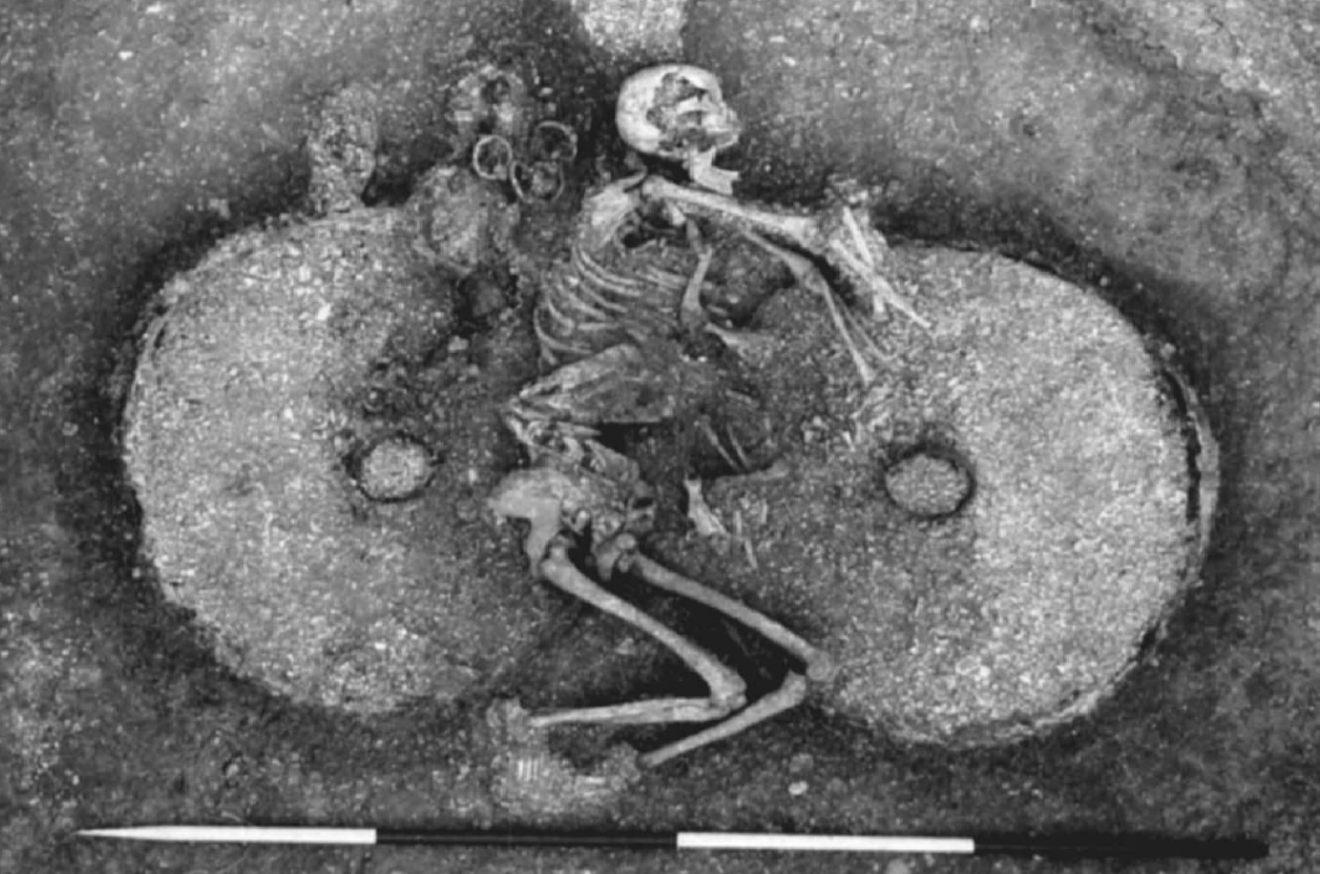
Papers Ancient DNA and matrilineal kinship in Iron Age Britain The Arras world: square barrows, chalk hills, and striking funerals In Iron Age Britain, one burial tradition stands out with unusual clarity: the cemeteries of East Yorkshire, spread across the Yorkshire Wolds. Here, the dead were laid beneath square barrows, small ditched monuments that from the air appear like geometric By Sven • 8 min read
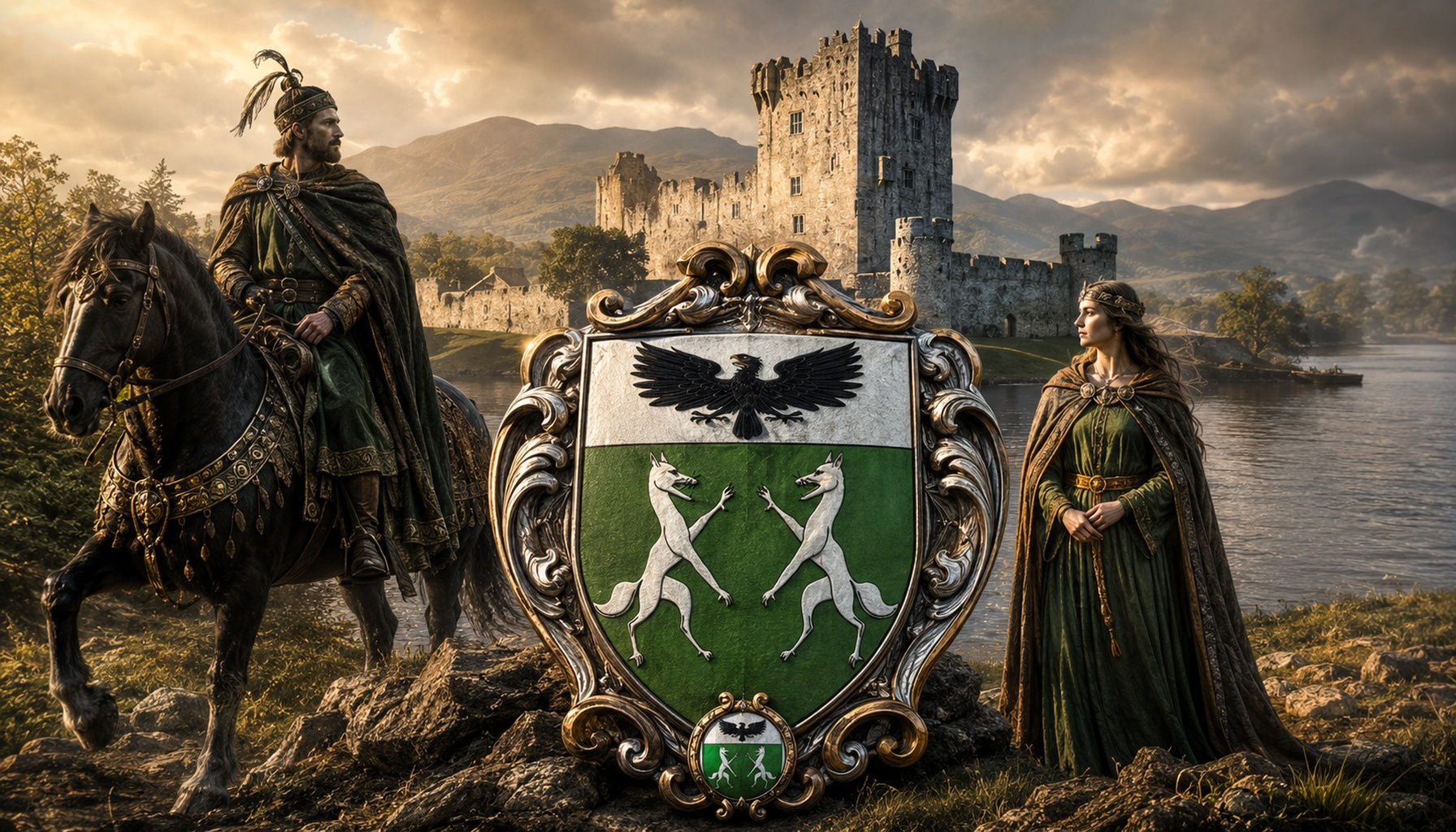
Haplogroups and Noble Lines The Royal House of ODonoghue Who the ODonoghues were The House of ODonoghue was one of the great Gaelic noble and royal houses of southwest Ireland, rooted above all in Loch Lein in County Kerry and remembered in the ODonoghue Mor tradition. Their story belongs to the old Munster pattern of Irish power: kingship tied By Sven • 3 min read
Haplogroups and Noble Lines Clan Aitken Clan Aitken Background Clan Aitken belongs to the long-lived surname tradition of Lowland Scotland, a family world built less on Highland spectacle and more on regional rootedness, service, land, reputation, and continuity. The name is generally linked to the Scots form of Adam, and over time Aitken and its variants By Sven • 3 min read
Haplogroups and Noble Lines The Noble House of OHanlon The Noble House of OHanlon Background The House of OHanlon was one of the notable Gaelic noble houses of Ulster, rooted in Orior in what is now County Armagh, and remembered as a frontier lordship shaped by war, kinship, land, and survival. Their heritage belongs to that distinctly northern Irish By Sven • 3 min read
Haplogroups and Noble Lines The Noble House of Kinsella The Noble House of Kinsella Background The House of Kinsella was one of the great Gaelic noble houses of Leinster, rooted above all in eastern Ireland, especially County Wexford and the old royal center of Ferns. Historically the family belonged to the world of the Ui Ceinnselaig, the royal kindred By Sven • 3 min read
Haplogroups and Noble Lines Clan Collins Clan Collins Background Clan Collins was a Gaelic Irish family of Munster, closely tied to the old landscape of Limerick, to Shanid, and to the long memory of local kinship in the south-west of Ireland. In Irish form the name appears as O Coileain, pointing back to an ancestor remembered By Sven • 3 min read
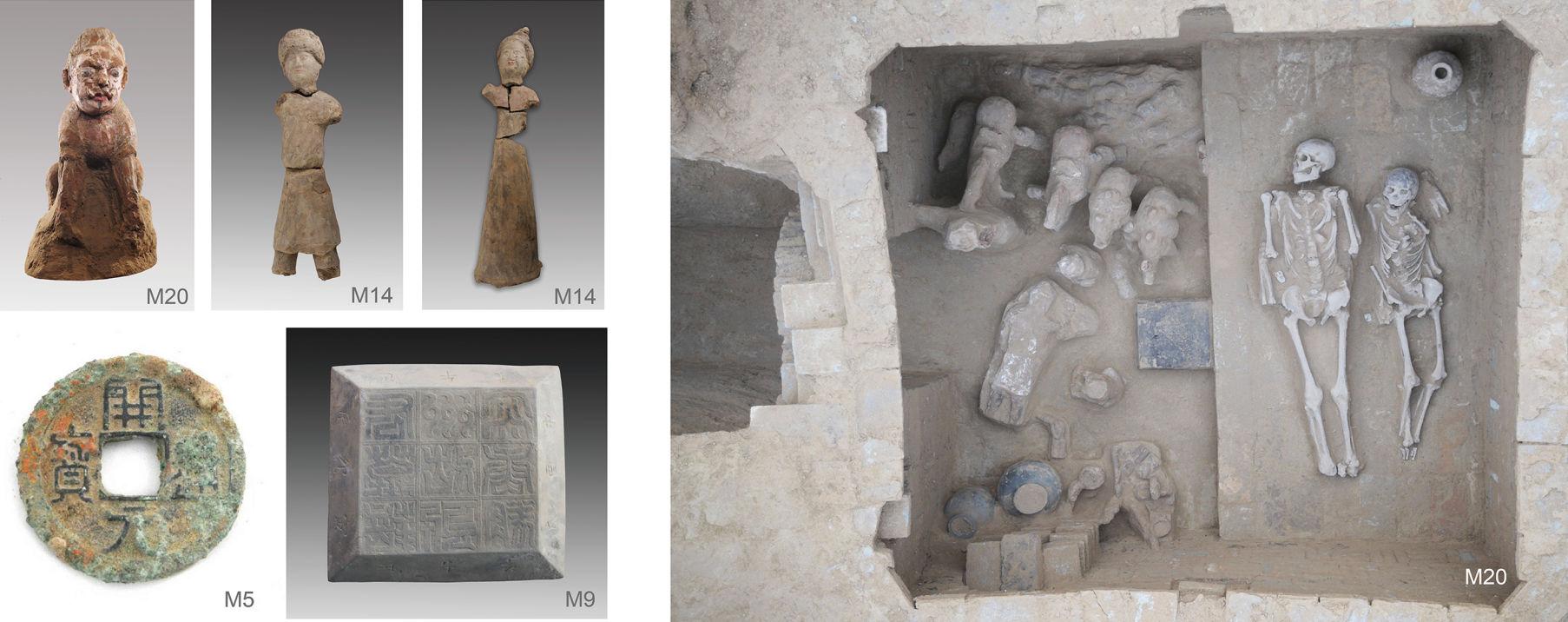
Papers Genomic evidence for female exogamy in a Tang Dynasty clan The Naobaowan Cemetery on the Tang Frontier On the southern bank of the Yellow River, near the Kubuqi Desert in Inner Mongolia, the Naobaowan cemetery is not simply a cluster of old graves. It is a family landscape frozen in brick, dust, and memory. The dead belonged to an elite By Sven • 4 min read
Papers Ancient DNA Reveals Mixed Origins of Gothic Communities in Late Antique Bulgaria Frontier Cemeteries on the Black Sea and the Danubian Plain Late antique Bulgaria offers two vivid windows into a world often flattened under a single label: "the Goths." Two burial sites linked with Gothic-associated customs stand at the centre of this landscape. One lies at Aquae Calidae near By Sven • 4 min read
Papers Regional adaptation to Neolithic farming in ancient Western Eurasian genomes The Iron Gates: Where Farmers Met Hunter-Gatherers Along the Danube's great gorge, prehistoric Europe produced one of its most extraordinary landscapes. Lepenski Vir, the region's best-known site, challenges old assumptions about hunter-gatherers as scattered nomads. Here stood communities with architecture, monuments, and elaborate burials suggesting deep By Sven • 5 min read
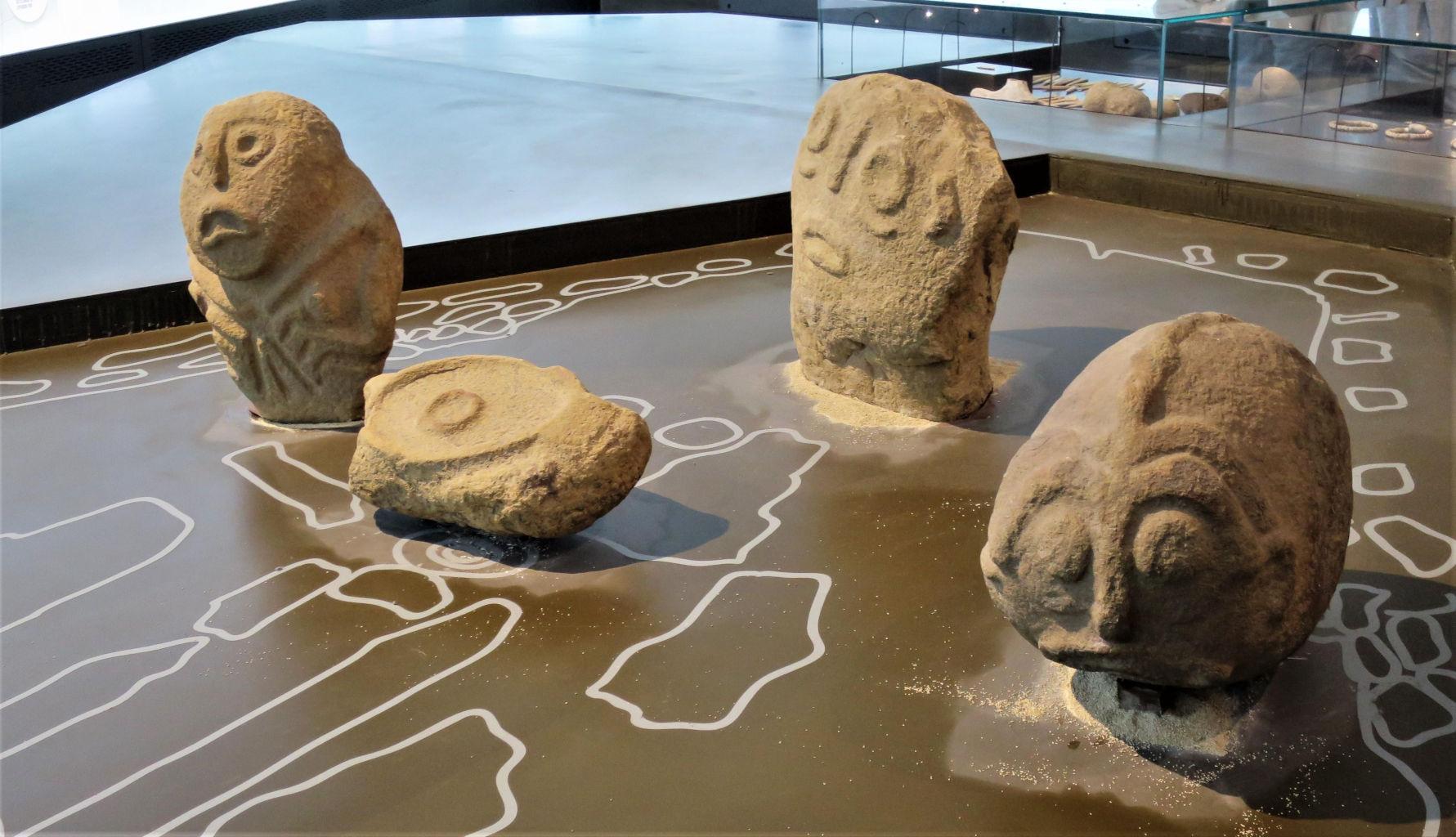
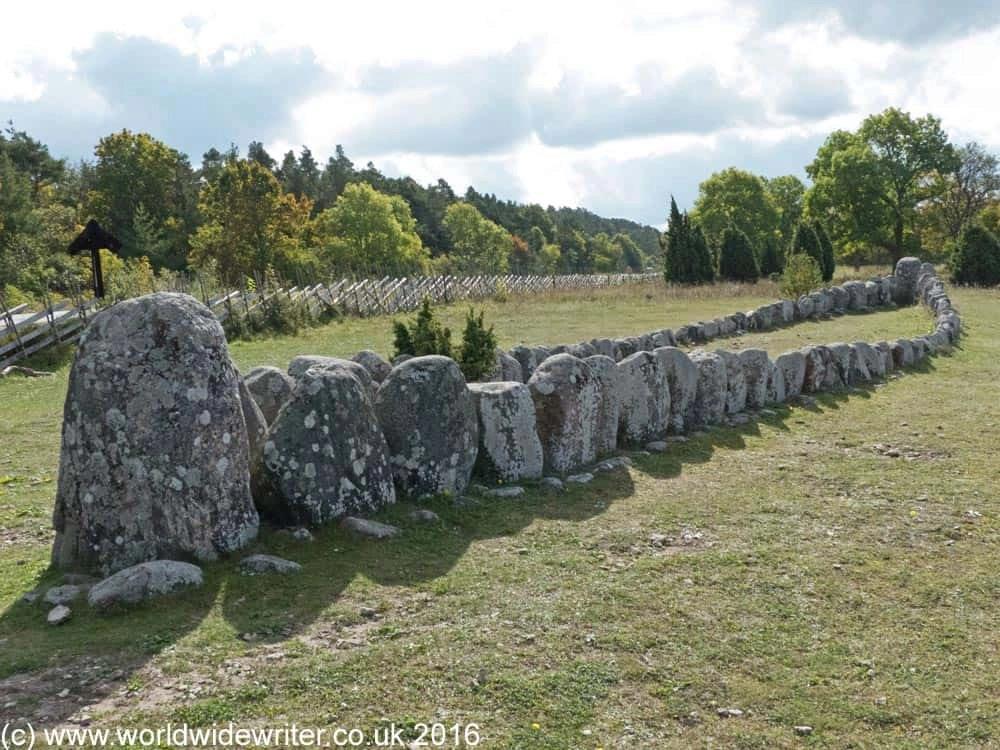
Papers Neolithic DNA, Admixture, and Plague on Gotland Farmers and Foragers on an Island Frontier In the middle of the Baltic Sea, Gotland became one of the most intriguing stages of the Neolithic world. For more than five centuries, two very different ways of life existed side by side. One group were farmers linked to Funnel Beaker communities By Sven • 5 min read
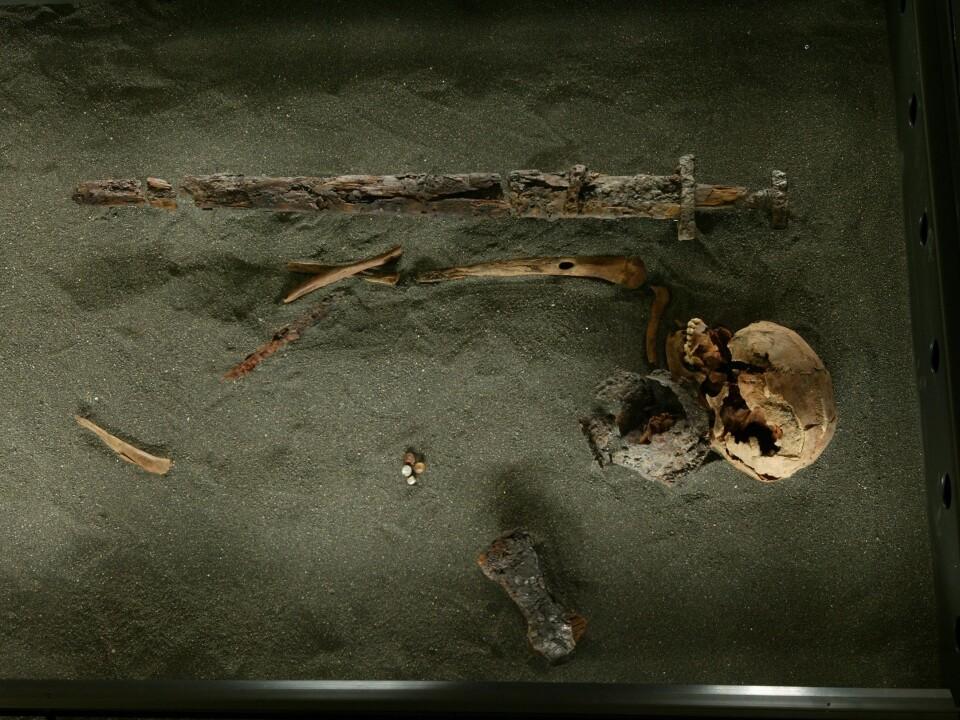
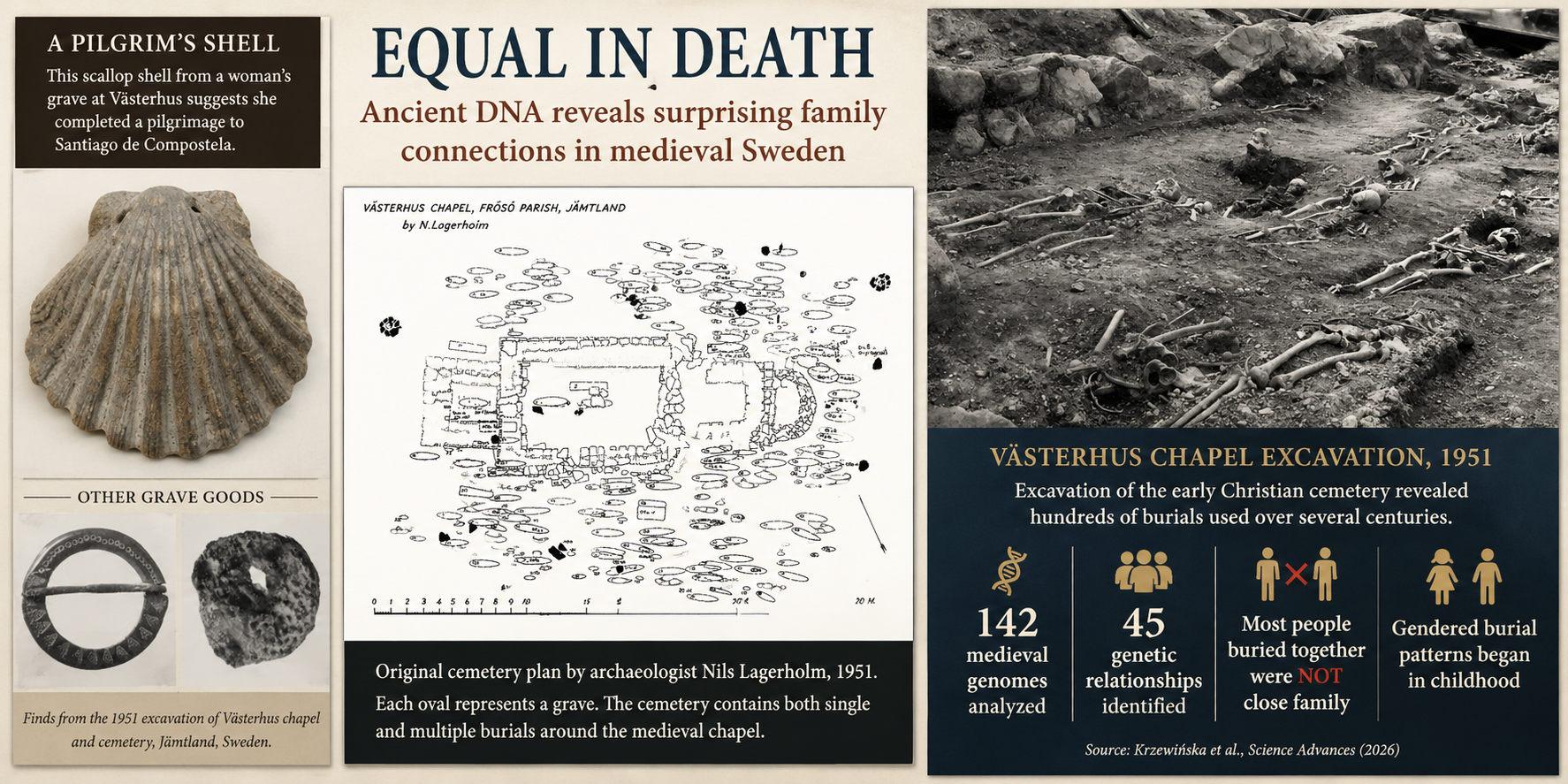
Papers Post-Viking Early Christian DNA of Children in Scandinavia Children in the Christian Graveyard Children's bones are notoriously difficult to interpret—smaller, more fragile, and resistant to the methods that reveal sex, age, and status in adults. Yet without children, no picture of past society is complete. In early Christian Scandinavia, this challenge intensifies: the spread of By Sven • 4 min read
Haplogroups and Noble Lines The Noble House de Saddington The Noble House de Saddington Background The de Saddington family was an English noble and landed house rooted in Leicestershire, its name taken from the village of Saddington itself, in the old heartland of the Midlands. Like many medieval English gentry families, they grew out of place, property, and service: By Sven • 3 min read
Haplogroups and Noble Lines The Ottonian Dynasty Ottonian Dynasty The Ottonian Dynasty was the great Saxon royal and imperial house that ruled East Francia and then the early Holy Roman Empire in the 10th and early 11th centuries, and it is linked here with the primary paternal haplogroup R1b1a1b1a1a2e1. This was not a family that simply inherited By Sven • 3 min read
Haplogroups and Noble Lines The Imperial House of Japan Imperial House of Japan Background The Imperial House of Japan is the hereditary dynasty of the Japanese emperors, traditionally linked to the ancient Yamato line and often described as the oldest continuing monarchy in the world. Its historical roots lie in the early state-building world of central Japan, especially the By Sven • 2 min read
Haplogroups and Noble Lines The Royal House of Al Falasi Tags: J1a2a1a2d2b2b2c4d2a2a5a1b1a Background The House of Al Falasi is an Arab ruling and tribal lineage tied above all to Dubai and to the wider political history of the Arabian Gulf. Its primary linked haplogroup here is J1a2a1a2d2b2b2c4d2a2a5a1b1a, a branch within a paternal line long associated with parts of the Arabian By Sven • 3 min read
Haplogroups and Noble Lines The House of de Harcourt Who were the de Harcourts? The House of de Harcourt was one of the great noble families of medieval Normandy, rooted in the pays of the Eure and remembered on both sides of the Channel after 1066. Their name came from Harcourt in Normandy, and like so many classic Norman By Sven • 3 min read
Haplogroups and Noble Lines The Royal House of Capet Haplogroup: J1a2b1b2c1 The House of Capet was the great foundational royal dynasty of medieval France, the family that began with King Hugh Capet of France and went on to shape the kingdom for centuries. Their roots lay in the heart of West Francia, especially the Ile-de-France and the lands around By Sven • 3 min read
Haplogroups and Noble Lines House of Manfredi House of Manfredi Background The House of Manfredi was an Italian noble family rooted above all in Faenza, in Romagna, and closely tied here to the haplogroup J2b2a1a1a1a1a1a. They belonged to that distinctive world of medieval and Renaissance Italy in which a family could begin as urban power brokers, gather By Sven • 3 min read
Haplogroups and Noble Lines House von Amsberg House von Amsberg Background House von Amsberg was a German noble family rooted in Mecklenburg, shaped by the old world of regional landholding, service, and aristocratic continuity, and linked here with the primary family haplogroup R1a1a1b1a2b3a3a1b1. Like so many noble houses in northern Germany, the von Amsbergs belong to that By Sven • 3 min read
Haplogroups and Noble Lines The Lumley Family The Lumley Family Background The Lumley family, or House of Lumley, was one of the notable noble houses of northern England, closely rooted in County Durham around Great Lumley and the powerful landmark of Lumley Castle near Chester-le-Street. Traditionally traced to early medieval northern ancestors sometimes linked in memory to By Sven • 3 min read